Why You Need a Professional Arborist (5 Essential Reasons)
A professional arborist is a trained specialist in the art and science of planting, caring for, and maintaining individual trees. Hiring one ensures your trees receive expert health assessments, precision pruning, and safe removal, ultimately protecting your property’s value, safety, and the long-term vitality of your landscape.
What Does a Professional Arborist Actually Do?
Many homeowners assume that tree care simply involves trimming branches that get too close to the house. However, the role of a professional arborist is significantly more complex. An arborist is essentially a tree doctor, combining biological knowledge with physical expertise to manage the life cycle of a tree. From the moment a sapling is planted to the eventual, safe removal of a legacy oak, an arborist monitors soil conditions, structural integrity, and environmental stressors.
At Lady Arborist Tree Care , our expertise extends beyond simple cutting. We provide a comprehensive suite of tree services designed to address the specific needs of the Charlotte, North Carolina canopy. Because our local environment experiences high humidity and specific regional pests, having a specialist who understands these nuances is critical for maintaining a thriving landscape.
Professional arborists perform several key functions:
- Conducting detailed health and safety inspections.
- Executing precision tree pruning to improve structure.
- Diagnosing complex fungal and bacterial infections.
- Designing long-term nutrient management plans.
- Managing safe removals in tight residential spaces.
Why is Structural Tree Pruning Essential?
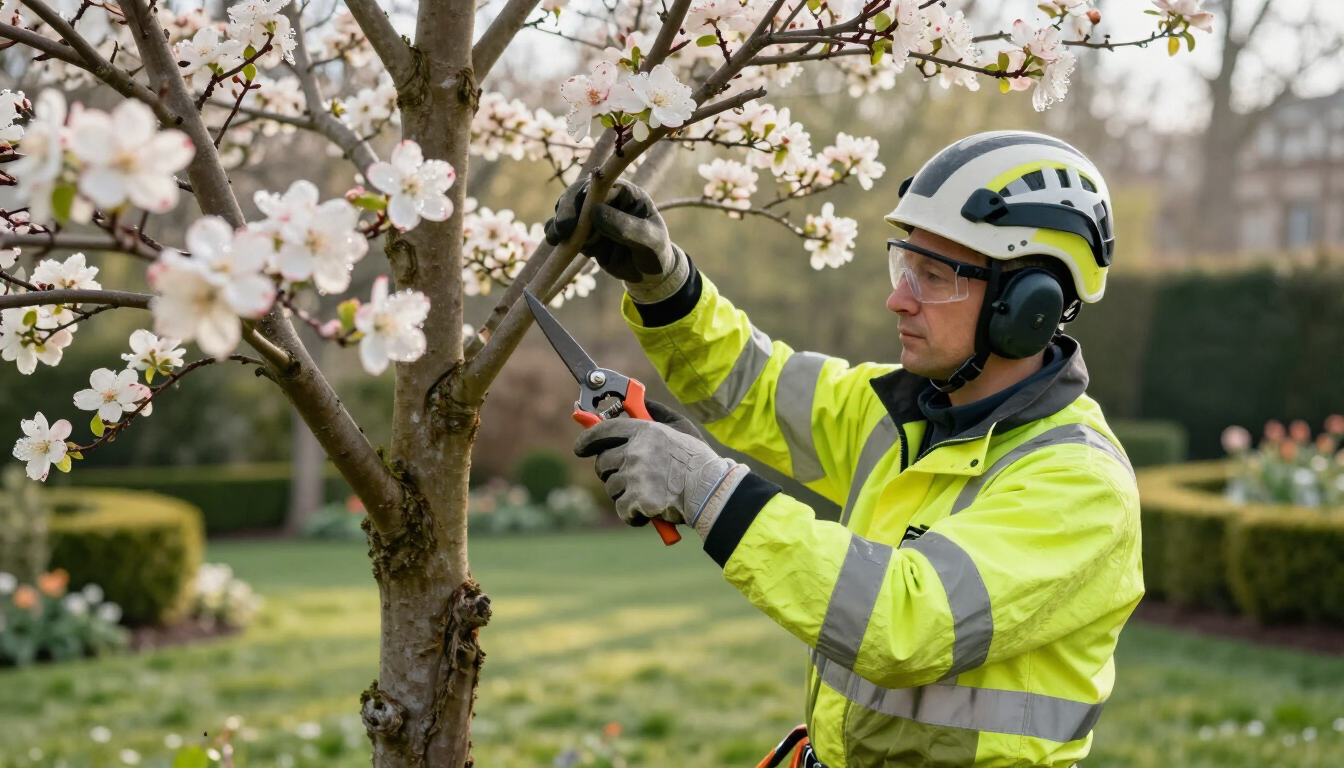
Pruning is not just about aesthetics; it is a vital health requirement for mature trees. When a tree grows in an urban or suburban environment, it lacks the natural competition of a forest that forces it to grow straight and strong. Instead, it may develop "co-dominant stems" or heavy, overextended limbs that are prone to snapping. A professional arborist uses strategic cuts to direct the tree’s energy toward its most stable branches.
Proper pruning involves several specialized techniques:
- Crown Thinning: Removing selective branches to increase light penetration and air movement.
- Crown Reduction: Reducing the height or spread of a tree to clear power lines or buildings.
- Cleaning: Removing dead, diseased, or weakly attached branches.
- Raising: Removing lower branches to provide clearance for pedestrians or vehicles.
Without this expert intervention, trees often become top-heavy. In the wind-prone regions around Charlotte, a top-heavy tree acts like a sail, catching the wind and putting immense pressure on the root system. By hiring an expert for your tree pruning needs, you are directly investing in the structural resilience of your property.
Why is DIY Tree Work Extremely Dangerous?
Every year, thousands of homeowners are injured attempting to perform their own tree maintenance. The risks associated with DIY tree work are twofold: personal physical danger and significant property damage. Working at heights with high-powered machinery like chainsaws requires years of training and specialized safety gear that the average homeowner simply does not possess.
When you hire a professional arborist , you are paying for the safety protocols that prevent disasters. Large limbs can weigh hundreds of pounds, and their fall trajectory is notoriously difficult to predict without formal training in physics and rigging. A limb that looks small from the ground can easily crush a roof, a car, or a person if it is not lowered controlledly.
Common risks of DIY tree care include:
- Falls from ladders (which are not designed for tree work).
- Chainsaw kickback accidents.
- Electrocution from hidden or nearby power lines.
- Structural damage to the home from falling debris.
- Permanent damage to the tree through "topping" or improper cuts.
Furthermore, professional companies carry comprehensive liability insurance. If a homeowner attempts a DIY removal and a branch falls on a neighbor’s house, the homeowner is personally liable. Hiring a specialist for tree removal ensures that the job is done with industrial-grade rigging equipment and that the financial risk is fully mitigated.
How Can Arborists Detect Hidden Tree Diseases?
Trees are masters of disguise. A tree may look perfectly green and healthy on the outside while its core is being hollowed out by heart rot or its roots are being consumed by aggressive fungi. A professional arborist is trained to look for the subtle signs of distress that the untrained eye would miss.
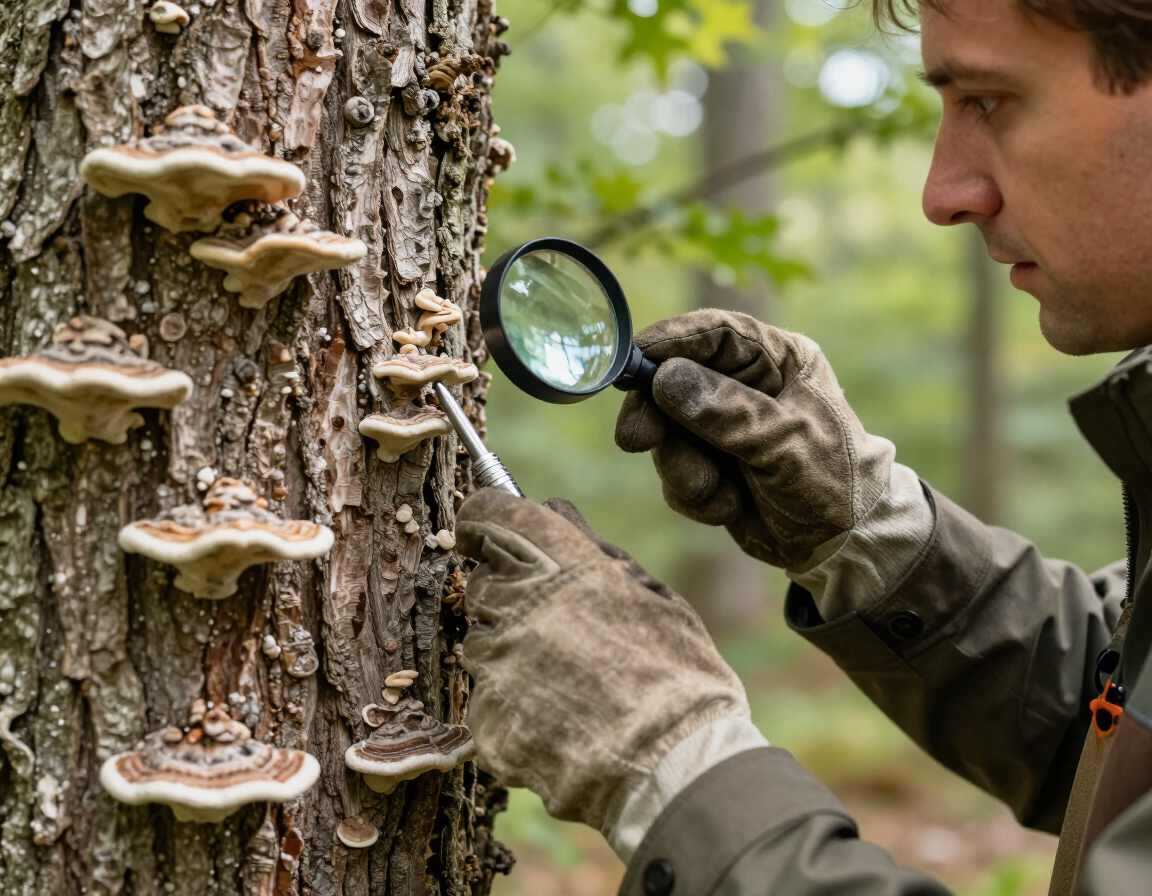
In North Carolina, we deal with various local stressors that can compromise tree health. Early detection is the difference between a simple treatment and an expensive, emergency removal. Our tree disease & infection services focus on identifying symptoms like canopy thinning, unusual leaf spotting, or the presence of fungal fruiting bodies (mushrooms) at the base of the trunk.
Key indicators an arborist looks for:
- Cankers: Discolored or sunken areas on the bark.
- Exit Holes: Small holes indicating wood-boring beetles.
- Chlorosis: Yellowing leaves that suggest nutrient deficiencies.
- Root Girdling: Roots that wrap around the trunk, choking the tree.
If you notice any of these signs, it is imperative to seek professional help before the infection spreads to other trees on your property. Regular inspections are the most cost-effective way to manage a large landscape.
When Should You Call for Storm Damage Prevention?
Waiting until a storm hits to check your trees is a recipe for disaster. North Carolina’s storm seasons can be intense, bringing heavy winds and saturated soils that uproot even large specimens. A professional arborist can perform a "Hazard Tree Assessment" to identify which trees are most likely to fail during a weather event.
Pre-storm maintenance involves removing deadwood and thinning the canopy to reduce "wind sail." However, if a storm has already passed through and left your yard in disarray, professional storm cleanup is the only way to safely clear the mess. Leaning trees or branches caught in other trees (known as "widowmakers") are under extreme tension and can snap unpredictably if moved by someone without the proper training.
The Financial Benefits of Expert Tree Maintenance
While hiring a professional is an upfront investment, it is a significant long-term financial gain. Mature, healthy trees can add up to 20% to a property’s overall value. Conversely, a landscape filled with dying, poorly maintained, or dangerously leaning trees is a major liability that can detract from a home's sale price.
Regular maintenance also prevents the astronomical costs of emergency removals. A planned tree removal is always more affordable and less stressful than an emergency call at 3:00 AM when a tree is resting on your living room. Additionally, after a removal, we offer stump grinding to ensure your lawn remains functional and aesthetically pleasing, preventing the trip hazards and pest infestations associated with rotting stumps.
What are the Long-term Takeaways for Homeowners?
Ultimately, a professional arborist provides peace of mind. Trees are the only assets on your property that can appreciate in value over time, but only if they are cared for with scientific precision. By partnering with Lady Arborist Tree Care , you ensure that your landscape remains a safe, beautiful, and healthy sanctuary for years to come.
Key Takeaways:
- Safety First: Professionals have the rigging and safety gear to prevent life-threatening accidents.
- Tree Longevity: Expert pruning and disease management can double the lifespan of your trees.
- Property Value: Healthy mature trees significantly increase your home’s market appeal.
- Risk Mitigation: Early detection of hazards prevents costly storm damage and liability.