Safe, Professional Tree Removal—Only When It’s Truly Necessary
At Lady Arborist, tree removal is never the first solution—it’s the last, responsible choice when preservation is no longer safe or viable. Trees add beauty, shade, and value to a property. But when a tree becomes structurally unsound, severely diseased, or poses a risk to people or buildings, removal may be the safest option.
As a certified arborist, my role is to help you understand when removal is necessary, when it’s not, and how to proceed safely and responsibly. All tree removal services are handled with care, precision, and clear communication—by the Lady Arborist herself.
When Tree Removal Is the Right Decision
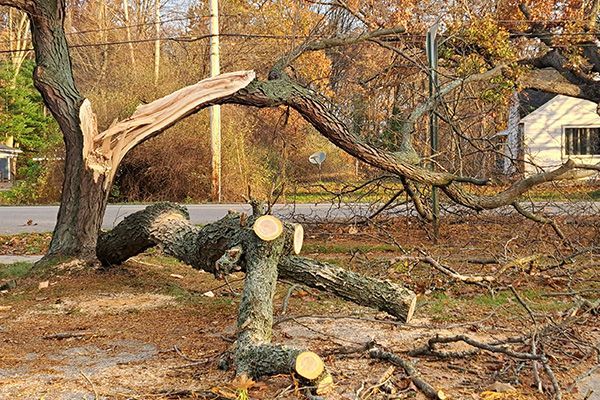
Tree removal may be recommended when a tree:
- Is dead or dying
- Has extensive decay or internal structural failure
- Has suffered severe storm damage
- Is leaning dangerously or has compromised roots
- Poses a risk to homes, vehicles, or power lines
- Is affected by disease that cannot be effectively treated
- Is interfering with foundations, plumbing, or infrastructure
Because removal is permanent, it is never recommended casually. Every situation is evaluated individually, with preservation considered first whenever possible.
Why Arborist-Led Tree Removal Matters
Removing a tree is complex and potentially dangerous work.
Without proper assessment and planning, removal can result in:
- Property damage
- Personal injury
- Damage to surrounding trees and landscapes
- Incomplete or unsafe results
As an arborist, I assess:
- Tree species and growth pattern
- Directional lean and weight distribution
- Structural defects and decay
- Proximity to structures, utilities, and access points
- Safe drop zones or dismantling requirements
Tree removal is not about force—it’s about control.
Our Thoughtful Tree Removal Philosophy
At Lady Arborist, tree removal follows three guiding principles:
Remove only when necessary
Plan before cutting
Protect what remains
If a tree can be preserved through pruning, cabling, or treatment, those options are discussed first. If removal is required, it is done deliberately and safely.
Types of Tree Removal We Perform
Controlled Tree Removal
For trees with adequate space, removal may involve controlled directional felling, carefully planned to avoid surrounding structures.
Sectional (Piece-by-Piece) Removal
In tight spaces—near homes, fences, or power lines—trees are dismantled in sections.
This method:
- Reduces risk
- Protects nearby property
- Allows precise control of falling material
Emergency Tree Removal
After storms or sudden failures, trees may pose immediate danger.
Emergency removal services are available for:
- Fallen trees
- Split trunks
- Hanging or broken limbs
- Trees blocking driveways or access points
Safety is always the top priority.
What Happens to the Tree After Removal?
Tree removal doesn’t end with cutting the tree down.
After removal, you may choose:
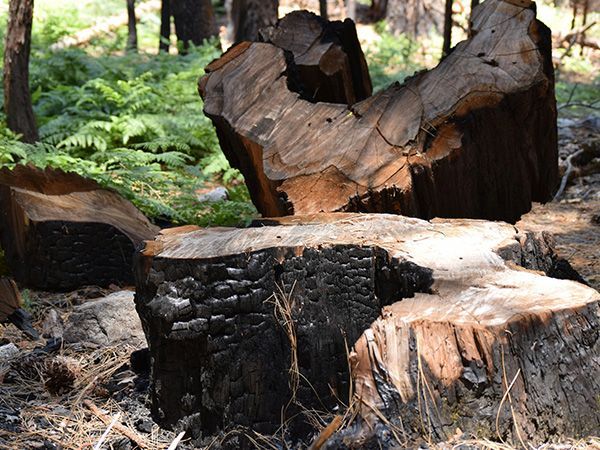
- Stump grinding to remove the remaining stump
- Debris removal and hauling
- Mulch reuse from chipped material
- Site preparation for replanting
Whenever possible, materials are reused or responsibly disposed of to minimize waste.
Our Tree Removal Process
1
On-Site Evaluation
I assess the tree, surrounding risks, and removal options.
2
Clear Recommendations
You’ll receive honest advice and a transparent explanation.
3
Safe Removal Plan
Each cut is planned to ensure control and safety.
4
Professional Execution
Proper equipment, protective measures, and techniques are used throughout.
5
Complete Cleanup
Your property is left clean and safe.
The Risks of Delaying Necessary Tree Removal
Waiting too long to remove a hazardous tree can increase the risk of:
- Sudden limb or tree failure
- Property damage during storms
- Injury to people or pets
- Higher removal costs after collapse
If you’re unsure whether a tree is safe, an evaluation can provide clarity before problems escalate.
Why Homeowners Trust Lady Arborist for Tree Removal
- Certified arborist-led service
- Owner-operated—no subcontracted crews
- Safety-first approach
- Honest, no-pressure recommendations
- Clean, professional results
- Local expertise in Charlotte-area trees
Tree removal is serious work. It deserves professional judgment, not guesswork.
Serving Charlotte & Surrounding Communities
Tree removal services are available throughout:
Charlotte, NC
Lake Wylie
Steel Creek
Fort Mill
Tega Cay
South Charlotte
If you’re unsure whether your tree needs removal—or what your options are—start with an assessment.
Let’s Make the Right Decision for Your Tree
If you’re facing concerns about a tree’s safety or condition, don’t wait for it to become an emergency.
Clear guidance. Safe outcomes. Thoughtful tree care.