Diagnosing Problems Early. Protecting Trees Long-Term.
Diseased trees don’t always look sick. What may begin as subtle leaf discoloration, thinning canopy, or peeling bark can signal serious biological stress beneath the surface. Left untreated, tree diseases can weaken structure, invite pests, and spread to surrounding trees—sometimes beyond recovery.
At Lady Arborist, tree disease care starts with accurate diagnosis, not assumptions. My goal is always to preserve tree health when possible—and to guide you honestly when it’s not.
Why Tree Disease Is Often Misdiagnosed
Many tree problems share similar symptoms, but the causes can be very different.
Common misdiagnoses happen when:
- Symptoms are treated instead of causes
- Environmental stress is mistaken for disease
- Chemical treatments are applied unnecessarily
- Removal is recommended too quickly
As a certified arborist, I evaluate the whole system—not just what’s visible above ground.
Common Signs Your Tree May Be Sick
In the Charlotte area, trees are exposed to warm, humid conditions that increase disease pressure. Watch for:
- Wilting or discolored leaves (especially at unusual times of year)
- Thinning or uneven canopy growth
- Powdery residue, cankers, or oozing sap
- Excessive insect activity or bore holes in bark
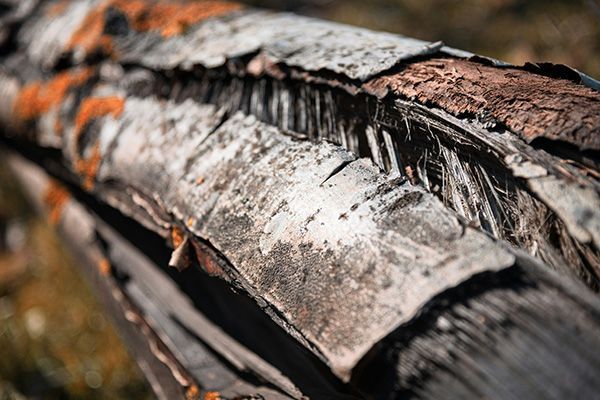
- Peeling bark or visible decay
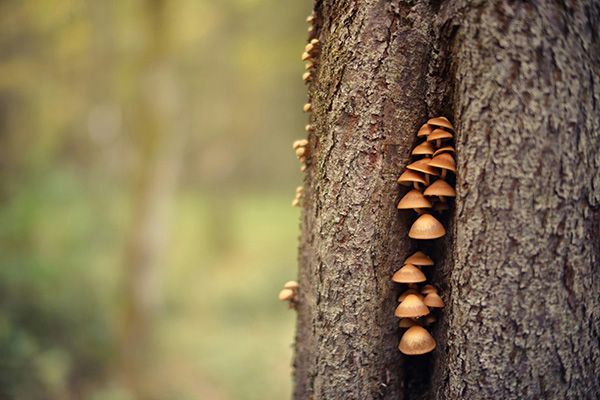
- Mushroom or fungal growth near the base
- Sudden branch dieback
Not all of these signs mean removal is necessary—but all deserve evaluation.
Common Tree Diseases in the Charlotte Region
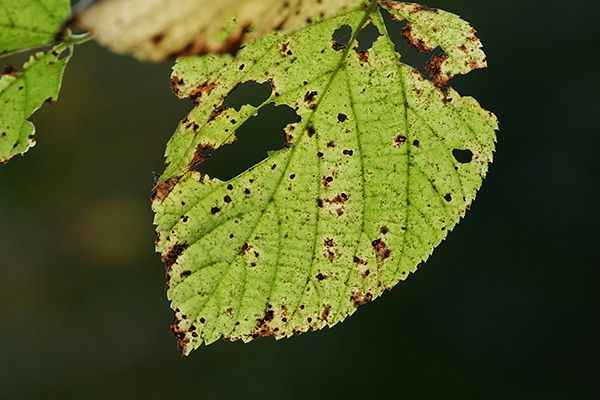
While each diagnosis is unique, common issues in our area include:
- Fungal infections (such as anthracnose or root rot)
- Bacterial diseases
- Vascular diseases that restrict water movement
- Secondary infections caused by stress
- Pest-related disease transmission
Some diseases progress slowly. Others move fast. The difference often comes down to timing and response.
Our Diagnostic Approach
Tree disease care at Lady Arborist begins with investigation, not treatment. During an evaluation, I assess:
Tree species and known vulnerabilities
Symptom patterns and progression
Environmental stress factors (soil, drainage, compaction)
Root collar and trunk condition
Presence of pests or fungal indicators
Structural integrity and safety concerns
Only after understanding the cause do I recommend next steps.
Tree Disease Treatment Options
Depending on the diagnosis, treatment may include:
Selective Pruning
Removing infected or dead branches can:
- Slow disease spread
- Reduce stress on the tree
- Improve airflow and light
Soil & Root Care
Many diseases begin below ground. Soil-focused solutions may involve:
- Improving drainage
- Reducing compaction
- Correcting root collar issues
- Supporting root health
Low-Impact Treatment Strategies
When appropriate, treatments are selected with long-term tree health in mind—not quick fixes.
Monitoring & Management
Some conditions require observation rather than immediate action. Monitoring allows informed decisions without unnecessary intervention.
Tree Removal (Only When Necessary)
If disease has progressed beyond recovery—or poses a risk to people or nearby trees—removal may be the safest option.
Removal is always discussed clearly and only recommended when preservation is no longer viable.
Why Early Diagnosis Matters
Waiting too long to address tree disease can lead to:
- Increased risk of branch or tree failure
- Spread to nearby trees
- Loss of mature canopy
- Higher long-term costs
Early evaluation gives you more options—and better outcomes.
What Sets Lady Arborist Apart in Tree Disease Care
- Arborist-led diagnostics
- Science-based recommendations
- Focus on preservation over removal
- Clear explanations—no guesswork
- Sustainable, low-impact philosophy
- Local experience with Charlotte-area trees
I don’t sell treatments. I provide answers.
Our Tree Disease Evaluation Process
1
On-Site Assessment
Visual and environmental evaluation of the tree.
2
Diagnosis Explanation
You’ll understand what’s happening and why.
3
Treatment or Management Plan
Clear options based on risk, health, and goals.
4
Careful Execution (If Needed)
Pruning, treatment, or removal performed safely.
5
Follow-Up Guidance
Support for long-term tree health.
Serving Charlotte & Surrounding Communities
Tree disease and infection services are available throughout:
Charlotte, NC
Lake Wylie
Steel Creek
Fort Mill
Tega Cay
South Charlotte
If something doesn’t look right with your tree, trust your instincts and ask.
Don’t Guess—Get Answers
Tree disease can be complex. Guessing often makes it worse.
If you’re noticing unusual symptoms or changes in your trees, a professional evaluation can bring clarity and peace of mind.
Early diagnosis. Honest guidance. Thoughtful tree care.