Professional Arboriculture Rooted in Science, Not Shortcuts
At Lady Arborist, tree care is never one-size-fits-all. Every tree is a living system shaped by species, age, environment, and history. The services I provide are grounded in arboricultural science, informed by tree biology, and delivered with care, precision, and restraint.
Whether you’re concerned about safety, health, storm damage, or long-term structure, my role is to help you make
informed decisions—not rushed ones. All services are provided directly by
Jessica Adkins, the Lady Arborist, serving
Charlotte, NC and surrounding communities.
How to Use This Page
This page is designed to help you:
- Understand what professional tree care actually involves
- Learn which service applies to your situation
- Navigate to detailed, educational service pages
Each service below links to a dedicated page with:
- Scientific explanations
- When the service is (and isn’t) appropriate
- The risks of improper work
- My professional process
If you’re unsure where to start, that’s normal. Most homeowners are. That’s why
evaluation always comes first.
Tree Pruning & Structural Care
Supporting Tree Health, Safety, and Longevity
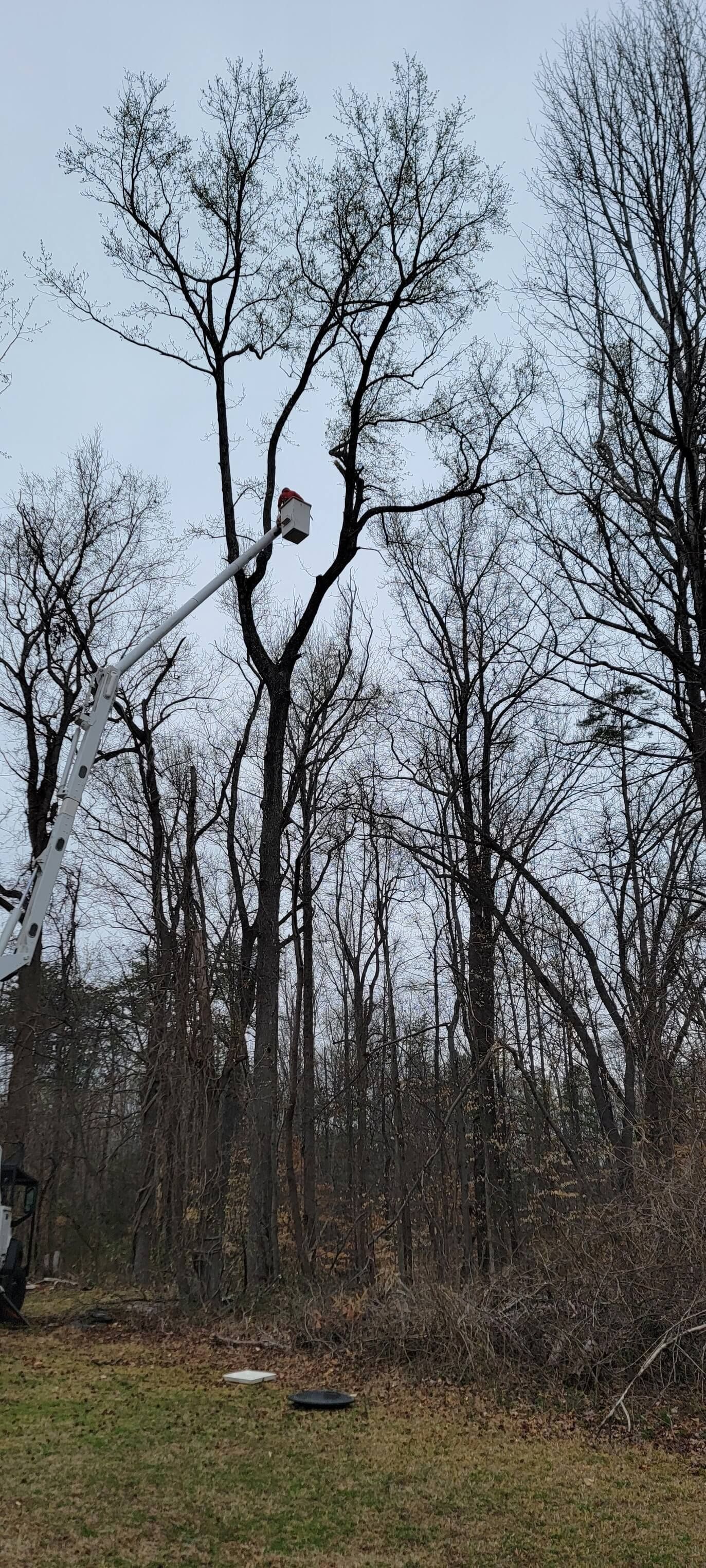
Tree pruning is the foundation of responsible tree care.
Often referred to as “tree trimming” in casual language, proper pruning is a biological practice that influences how a tree grows, distributes weight, resists disease, and responds to storms.
At Lady Arborist, pruning is never about cutting trees back indiscriminately. It is about making intentional pruning cuts that support the tree’s natural structure.
Pruning services include:
- Structural pruning for young and mature trees
- Crown thinning to improve airflow and light
- Deadwood removal to reduce hazards
- Clearance pruning near roofs, sidewalks, and utilities
- Ornamental and fruit tree pruning
Every pruning decision is based on:
- Species-specific growth patterns
- Branch attachment strength
- Long-term canopy development
- Continual optimal health & longevity of the tree
Tree Removal
When Safety and Risk Make Removal the Right Choice
Trees provide immense value—but not every tree can or should be saved.
Tree removal may be recommended when a tree:
- Is dead or in irreversible decline
- Has structural failure or severe decay
- Poses a safety risk to people or property
- Has suffered significant storm damage
- Is interfering with foundations or infrastructure
Because removal is permanent, it is never recommended lightly.
When removal is necessary, I plan each job carefully to ensure:
- Controlled, safe dismantling
- Protection of nearby structures and landscapes
- Clear communication and cleanup
Stump Grinding & Site Restoration
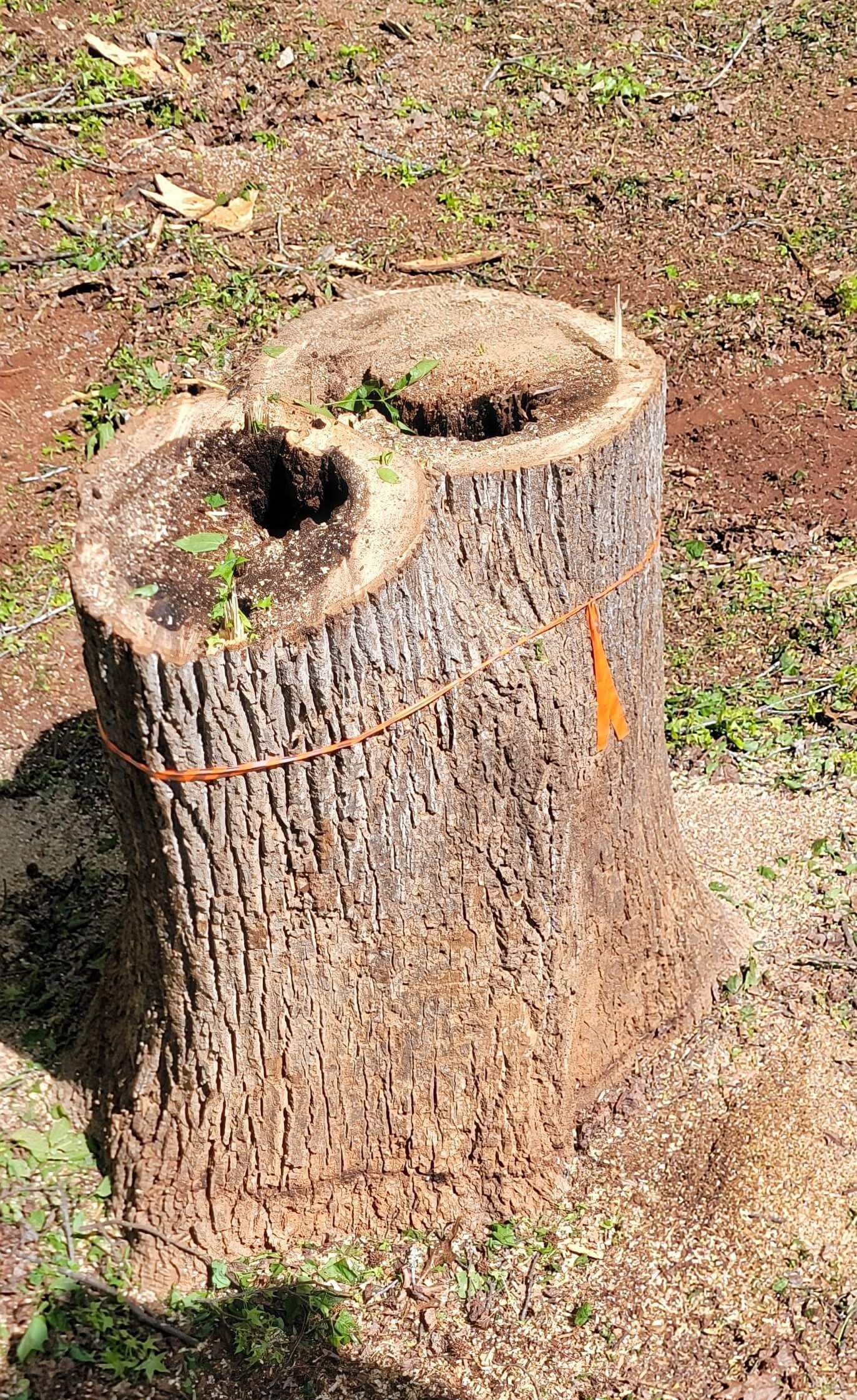
Finishing the Job with Intention
After a tree is removed, the stump remains—and it can cause more issues than many homeowners expect.
Tree stumps can:
- Harbor pests and disease
- Create tripping hazards
- Interfere with lawn care and landscaping
- Encourage unwanted regrowth
Stump grinding removes the visible stump and a portion of the root system below ground, allowing the area to be restored for grass, mulch, or replanting.
Whenever possible, stump material is reused as mulch, supporting sustainable practices.
Tree Disease & Infection
Diagnosing Problems Before They Spread
Not all tree health issues are obvious.
In the Charlotte area, trees are exposed to conditions that encourage:
- Fungal infections
- Bacterial diseases
- Root rot
- Insect infestations
Symptoms such as thinning canopies, discolored leaves, peeling bark, or unusual growths can indicate deeper problems below the surface.
As an arborist, I evaluate:
- Tree species and known vulnerabilities
- Environmental stress factors
- Root and soil conditions
- Signs of active pathogens or decay
Treatment and preservation are prioritized whenever possible. Removal is only recommended when health or safety cannot be restored.
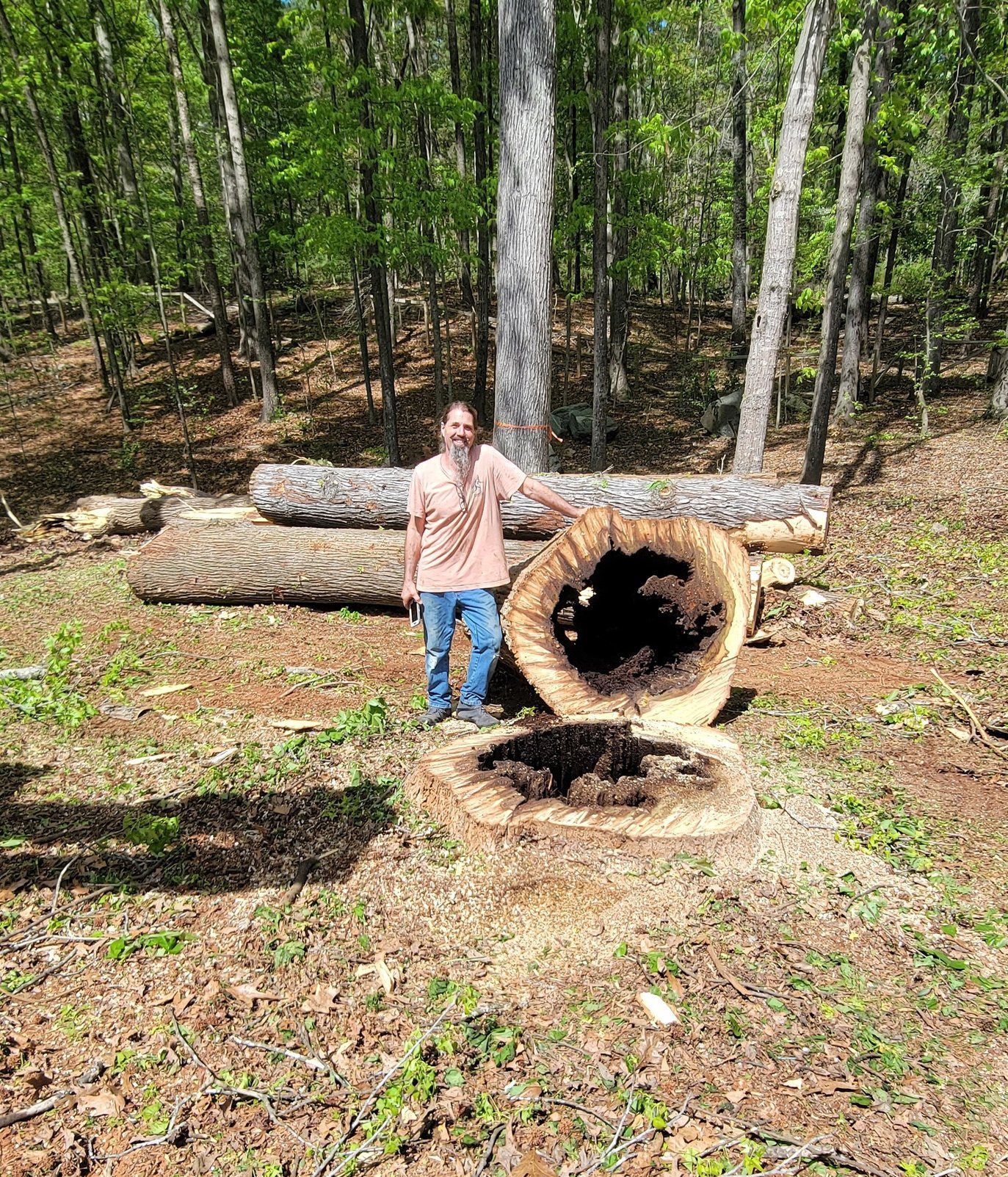
Storm Damage & Emergency Tree Care
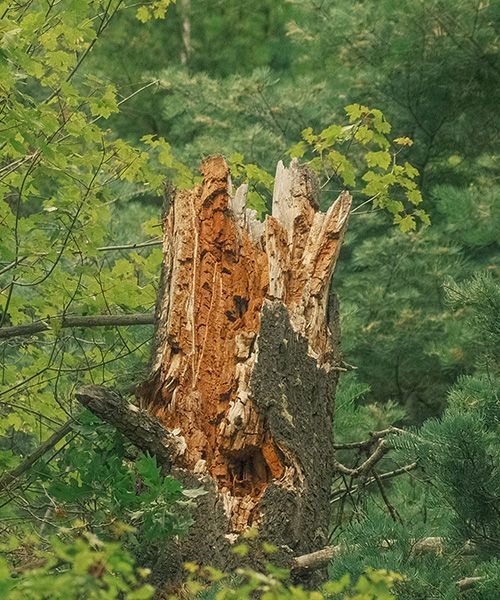
Responding Calmly When Trees Become Unstable
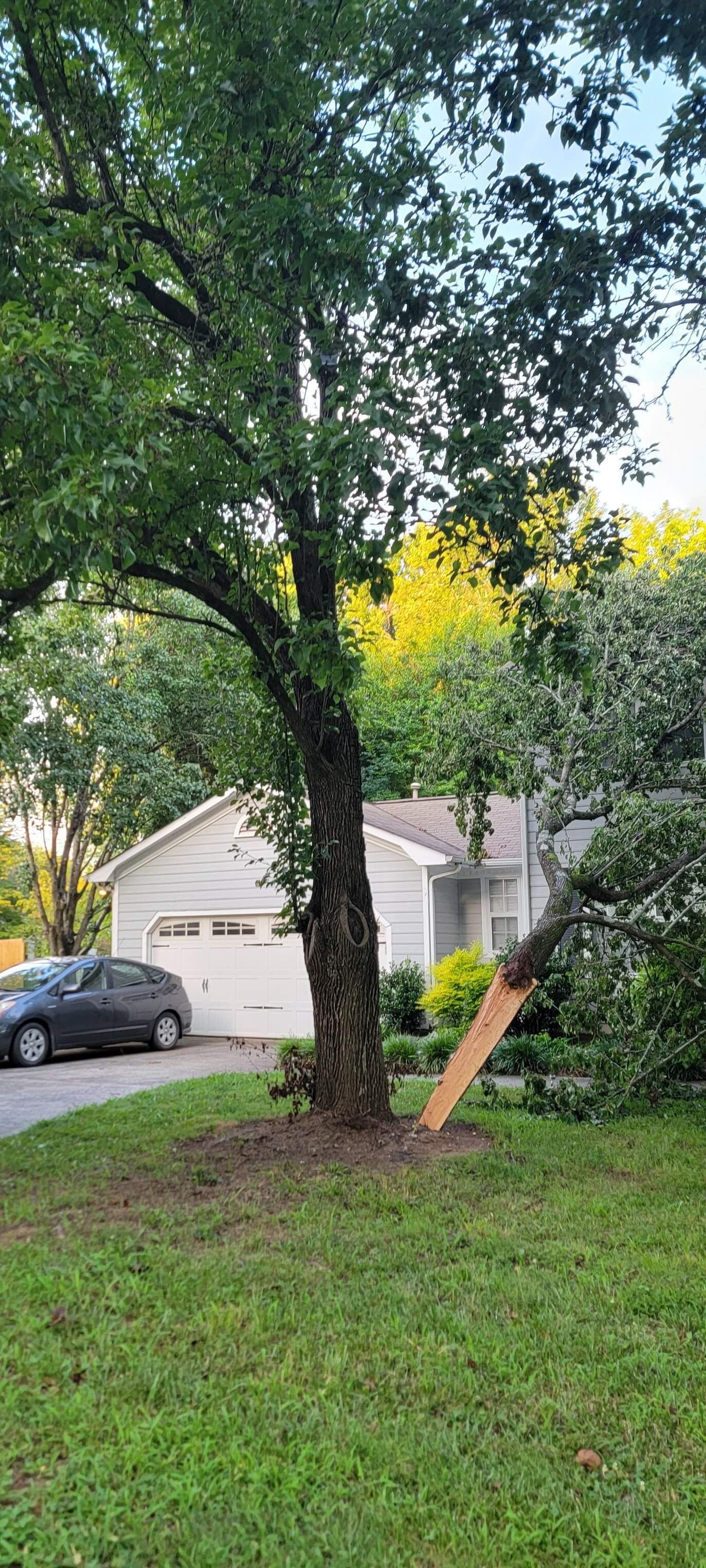
Storms can compromise trees in ways that aren’t immediately visible.
Cracked limbs, split trunks, and leaning trees can become serious hazards if left unaddressed.
Storm-related services include:
- Post-storm tree assessments
- Emergency limb or tree removal
- Debris cleanup
- Documentation for insurance claims (upon request)
Prompt evaluation helps reduce risk and prevents further damage.
Additional Tree Services
When Access or Situations Are Unusual
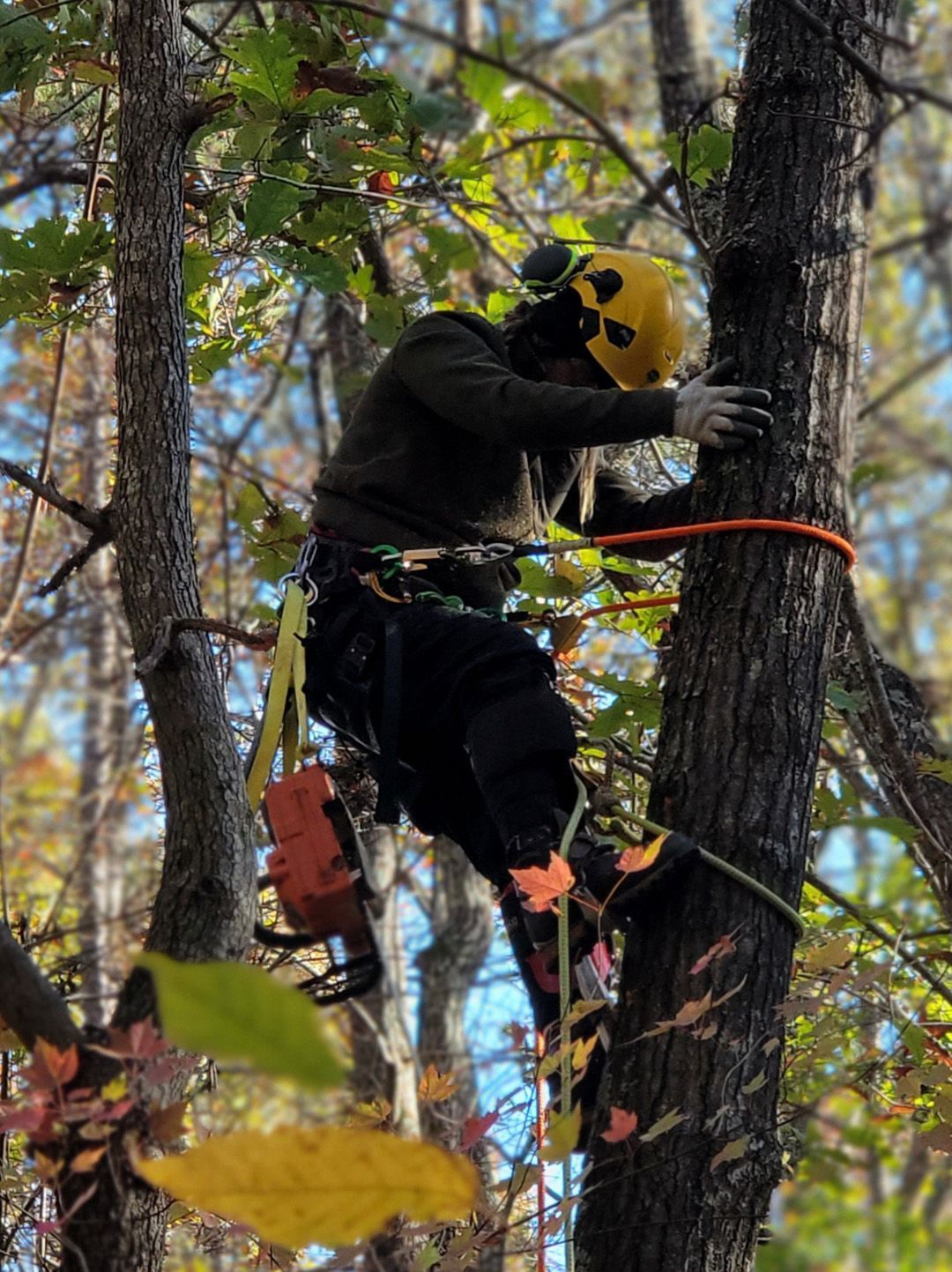
Some situations require specialized climbing skills and problem-solving. This may include:
Retrieval of drones or objects stuck in trees
Assisting with unusual access challenges
Evaluations where standard equipment cannot be used
If something is stuck, damaged, or difficult to reach in a tree, it’s worth asking before attempting removal yourself.
A Thoughtful Approach to Every Service
No matter the service, my approach is always the same:
1
Evaluate before acting
2
Explain findings clearly
3
Recommend only what’s necessary
4
Respect the tree and the property
You will never be pressured into unnecessary work. Sometimes the best recommendation is to wait.
Who I Serve
Lady Arborist works with:
- Homeowners
- HOAs
- Property managers
- Small commercial properties
Service areas include:
- Charlotte, NC
- Lake Wylie
- Steel Creek
- Fort Mill
- Tega Cay
- South Charlotte
Frequently Asked Questions
How do I know which tree service I need?
Most homeowners don’t—and that’s normal. This is why all services begin with an on-site assessment. I’ll explain what’s happening with your tree and which option (if any) is appropriate.
Can one service solve multiple issues?
Often, yes. For example, proper pruning can reduce storm risk, improve health, and delay or prevent removal.
Do you work on residential and commercial properties?
Yes. Services are provided for homeowners, HOAs, property managers, and select commercial properties.
What if I only want advice?
That’s completely fine. Clear guidance and education are part of professional arborist care—even if no work is done.
Do you clean up after the job?
Yes. All debris is removed unless otherwise requested, and work areas are left clean and safe.
How far in advance should I schedule tree work?
Routine care is best scheduled in advance. Storm damage and safety issues are prioritized as quickly as possible.
Not Sure Which Service You Need?
That’s okay—most people aren’t. If you’re noticing changes in your trees, concerned about safety, or planning future work, the best place to start is with a professional assessment.
Clear guidance. Honest advice. Thoughtful tree care.