Real Trees. Real Decisions. Real Results.
Every tree has a story—and every project begins with a decision. At Lady Arborist, projects are not about dramatic cuts or quick fixes. They’re about making the right call for the tree, the property, and the people who live there. Sometimes that means careful pruning. Sometimes it means removal. Often, it means restraint.
Below are examples of real projects across Charlotte, NC and surrounding communities, showing not just what was done—but why.
What These Projects Represent
Each project you see here reflects our core principles:
Assessment before action
Tree biology over appearance
Safety without over-removal
Clean, intentional outcomes
You’ll notice that not every project looks extreme. That’s intentional. The best arborist work often looks natural, balanced, and calm—because the tree was respected.
Project 1: Reviving an Overgrown Crabapple Tree
Selective Pruning to Restore Structure and Health
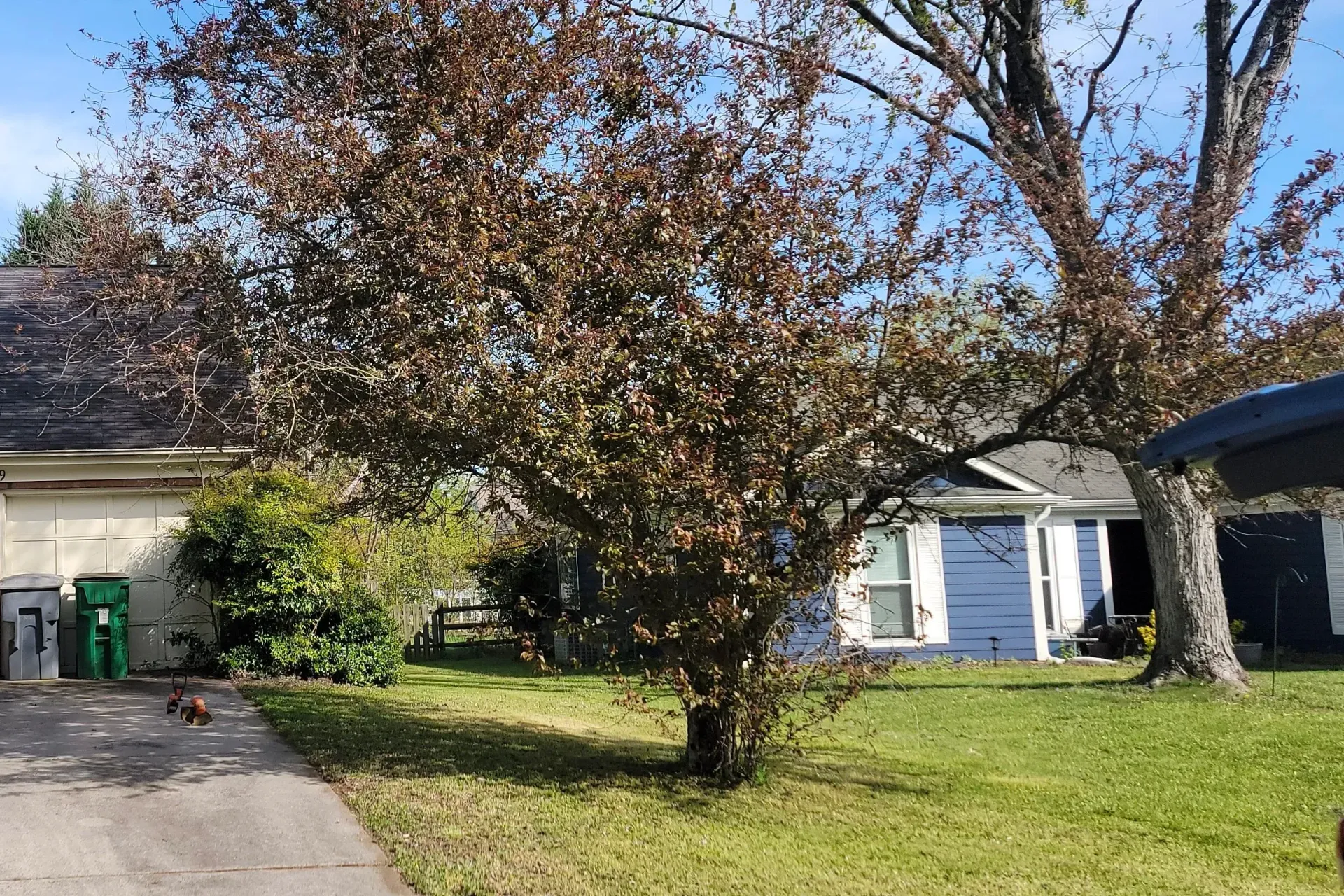
Before
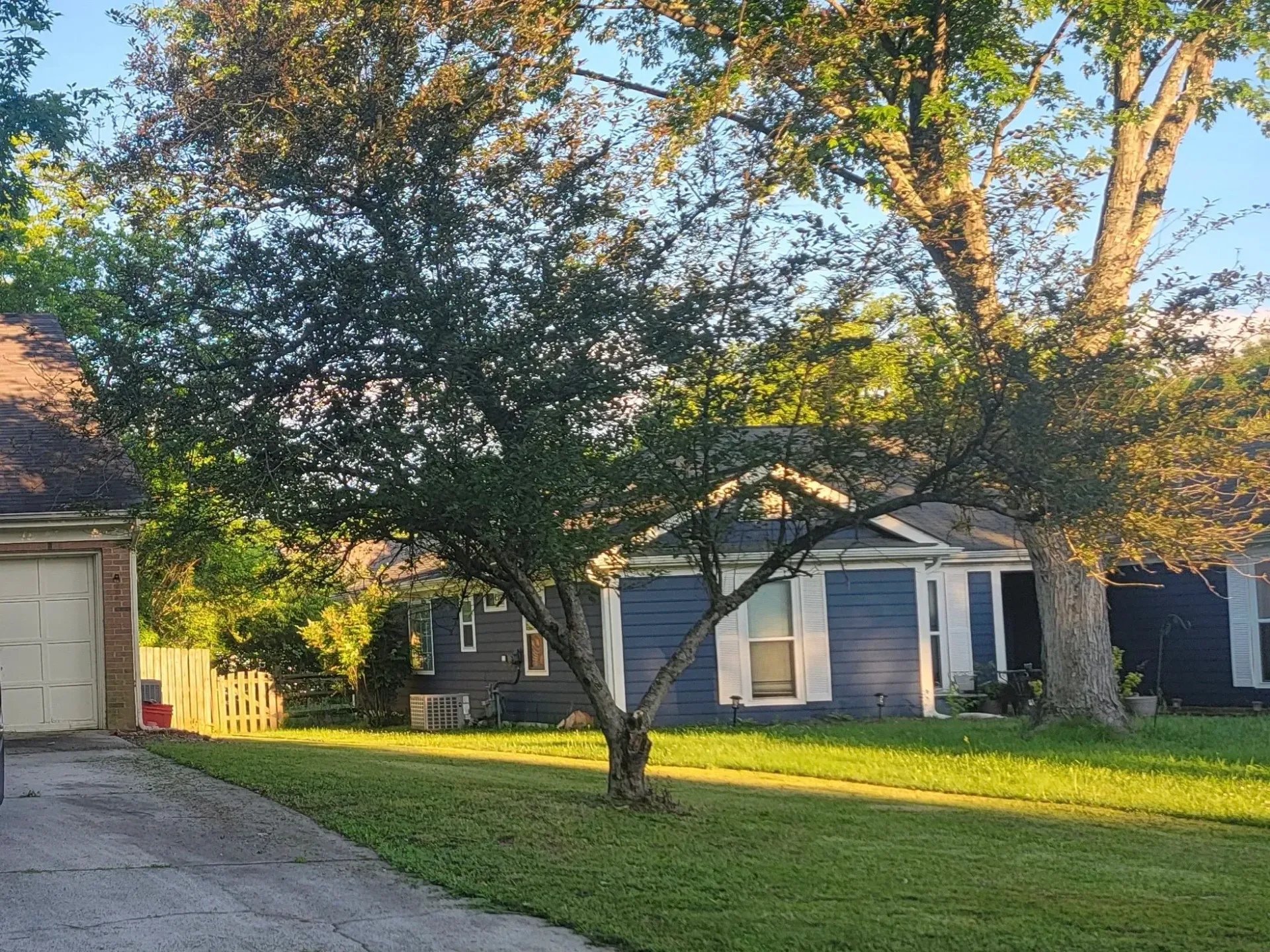
This crabapple had been neglected for years. Dense interior growth, poor branch structure, and crossing limbs were stressing the tree and reducing airflow and light.
Assessment
- Species prone to density-related disease
- Excessive interior growth
- Poor branch spacing
- Declining form and reduced flowering potential
After
The tree’s natural form was restored without over-thinning. Improved structure reduced stress and set the tree up for healthier growth and better flowering in future seasons.
What We Did
- Selective structural pruning
- Removal of crossing and competing branches
- Canopy thinning to improve airflow and light
Why This Matters
Proper pruning extended the life of the tree and eliminated the need for aggressive future intervention.
Project 2: A Difficult Goodbye to a Mature Elm
Responsible Removal to Protect the Surrounding Landscape
Before
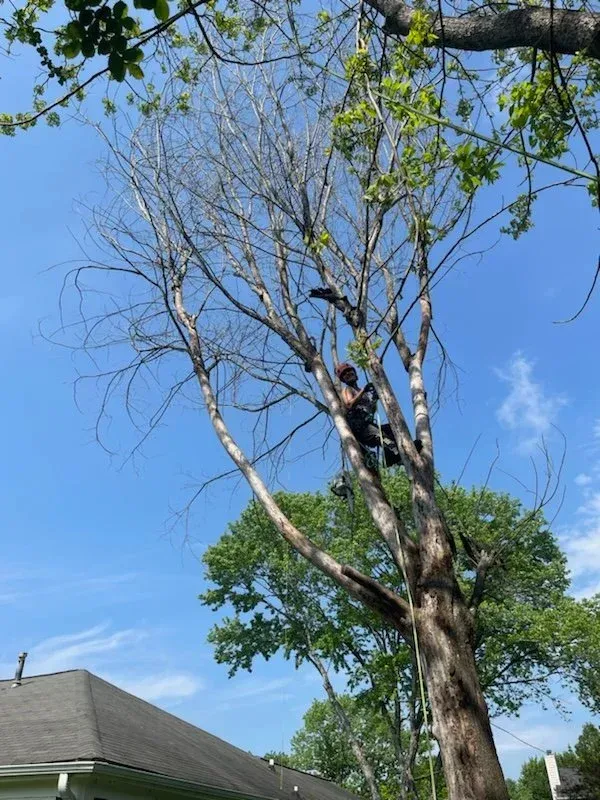
This mature elm showed clear signs of decline: bark loss, dead limbs, and structural instability. A full evaluation confirmed advanced disease that could not be reversed.
Assessment
- Significant internal decay
- High risk of limb failure
- Potential spread to nearby trees
After
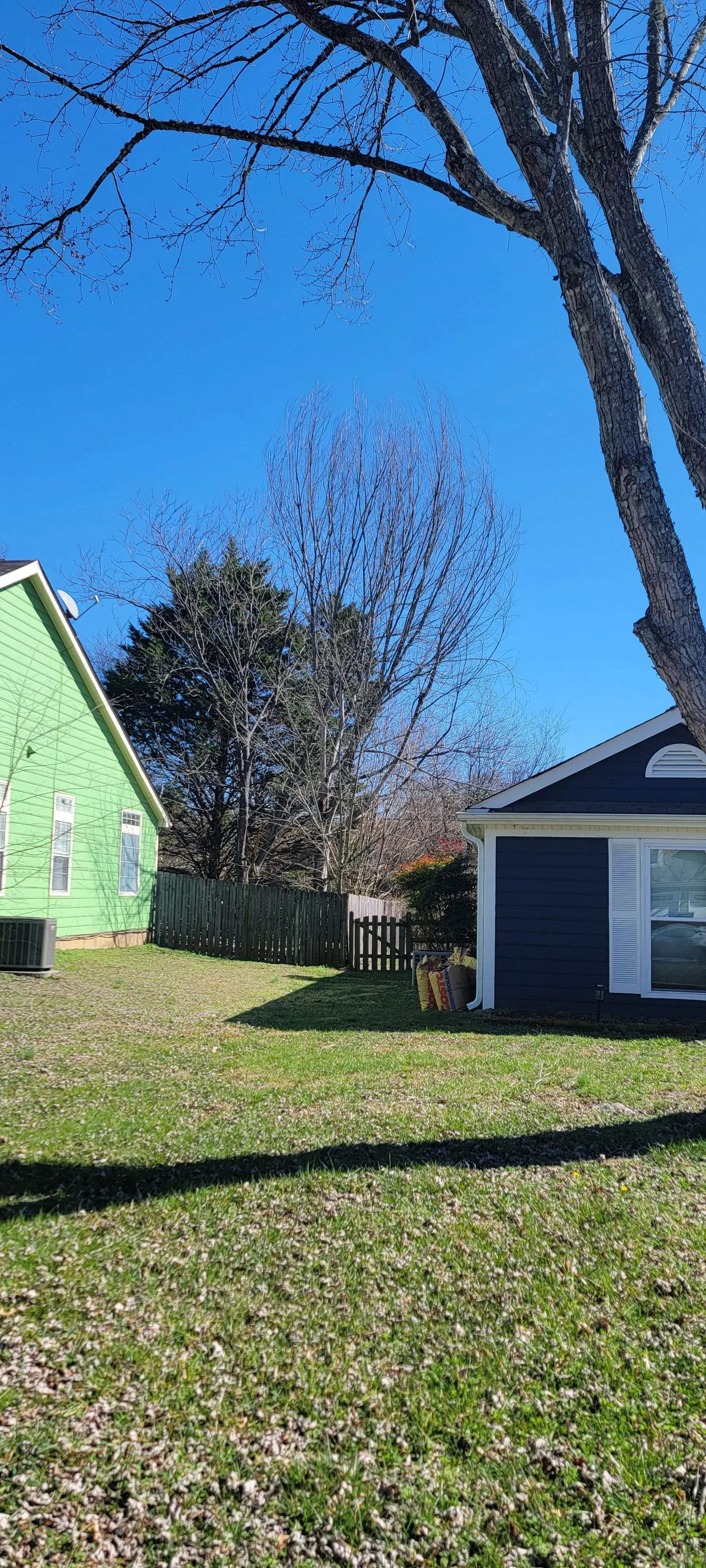
While it’s never easy to remove a mature tree, this decision protected nearby trees and eliminated a serious safety risk.
What We Did
- Careful, sectional removal to protect surrounding property
- Full debris cleanup
- Guidance on replanting options
Why This Matters
Timely, responsible removal can prevent greater loss and protect the broader landscape.
Project 3: When a Shrub Takes Over
Full Removal to Restore Balance
Before
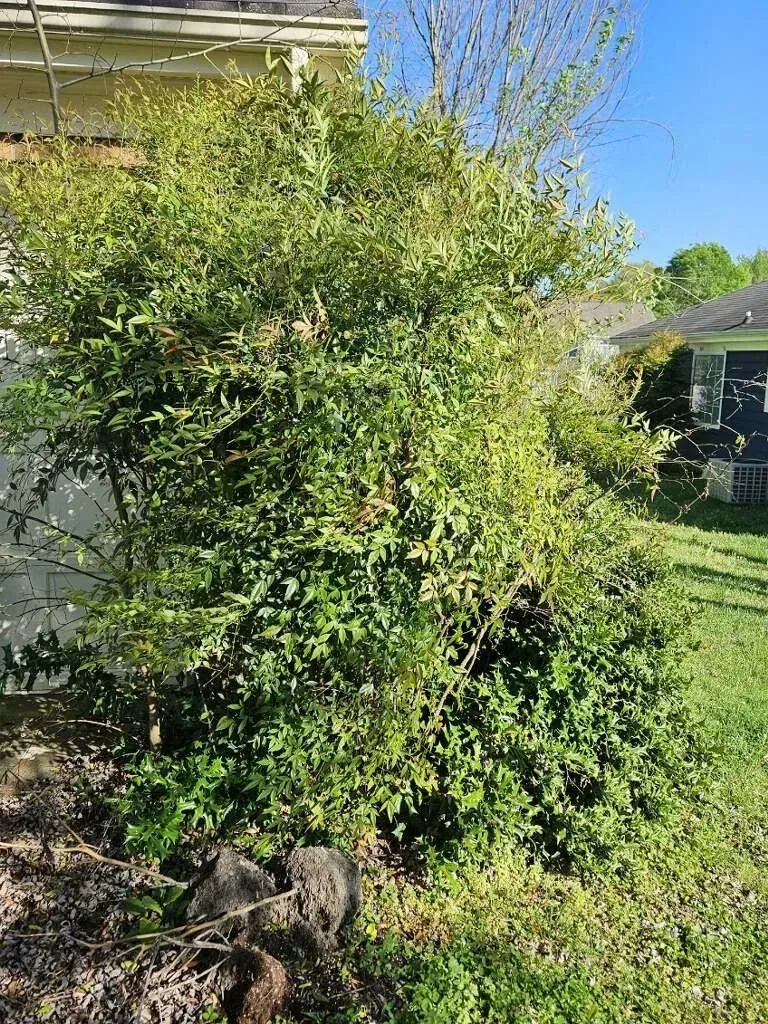
An invasive shrub had spread aggressively through root suckers, crowding out native plants and overwhelming the space.
Assessment
- Invasive growth pattern
- Root-based reproduction
- Negative impact on surrounding plants
After
The area was cleared and ready for healthier, more sustainable plantings.
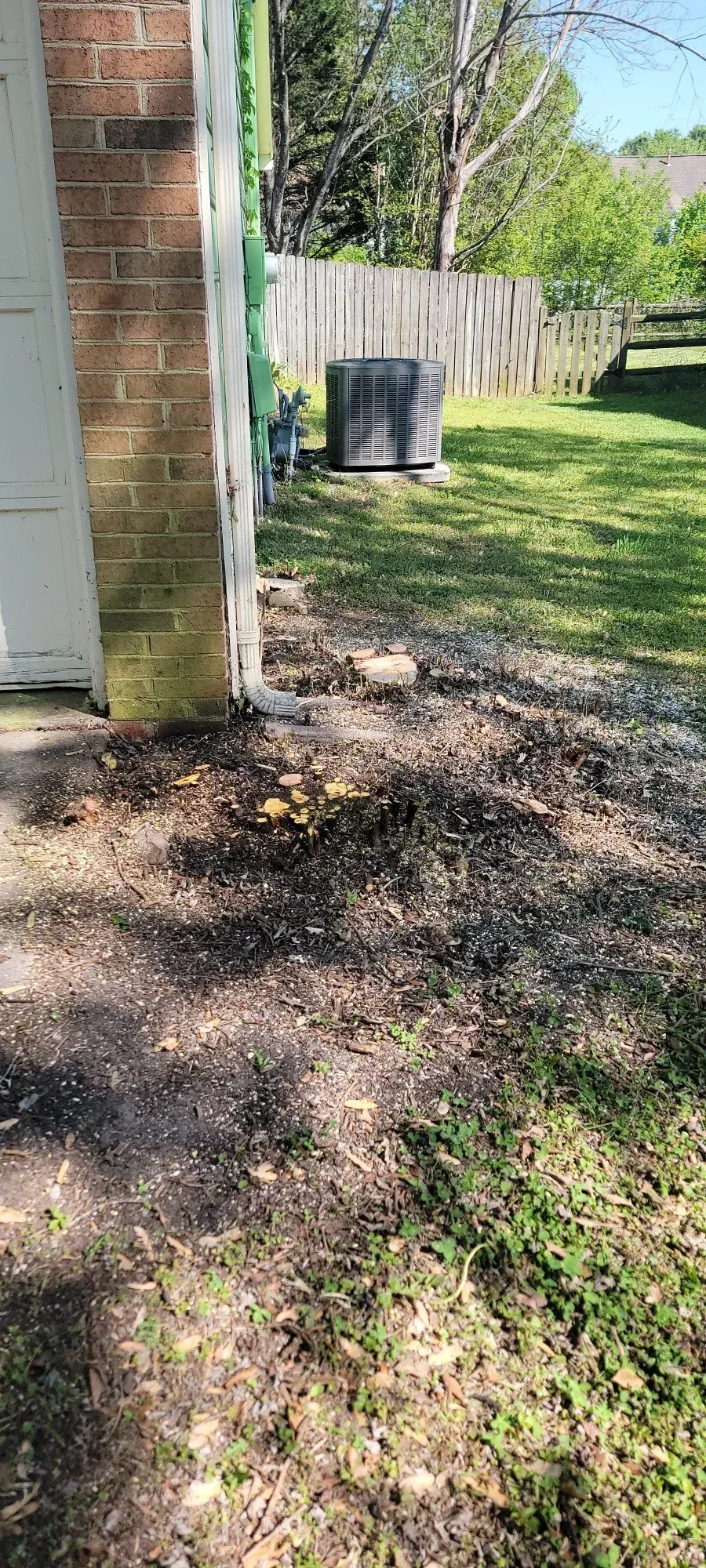
What We Did
- Complete removal of the shrub and root system
- Site cleanup and preparation
- Recommendations for non-invasive replacement options
Why This Matters
Sometimes removal is the most environmentally responsible choice.
Project 4: Storm-Damaged Tree Near a Home
Hazard Reduction Without Overreaction
Before
After a severe storm, a large tree near the home showed cracked limbs and imbalance—but the trunk and root system were still viable.
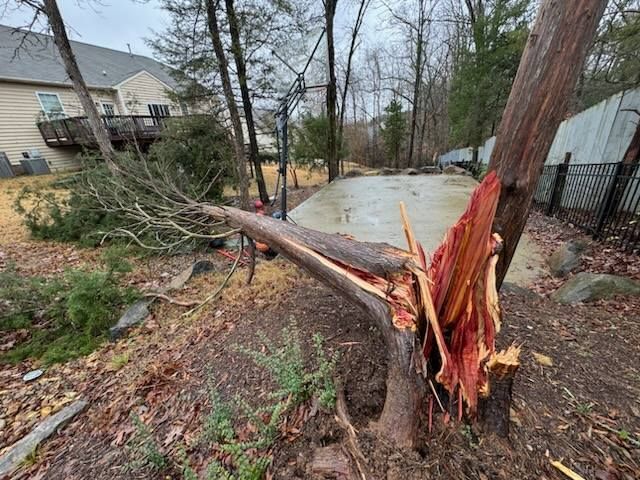
Assessment
- Storm-induced limb damage
- No major trunk failure
- Tree still structurally sound
After
The tree was stabilized and preserved—without unnecessary removal.
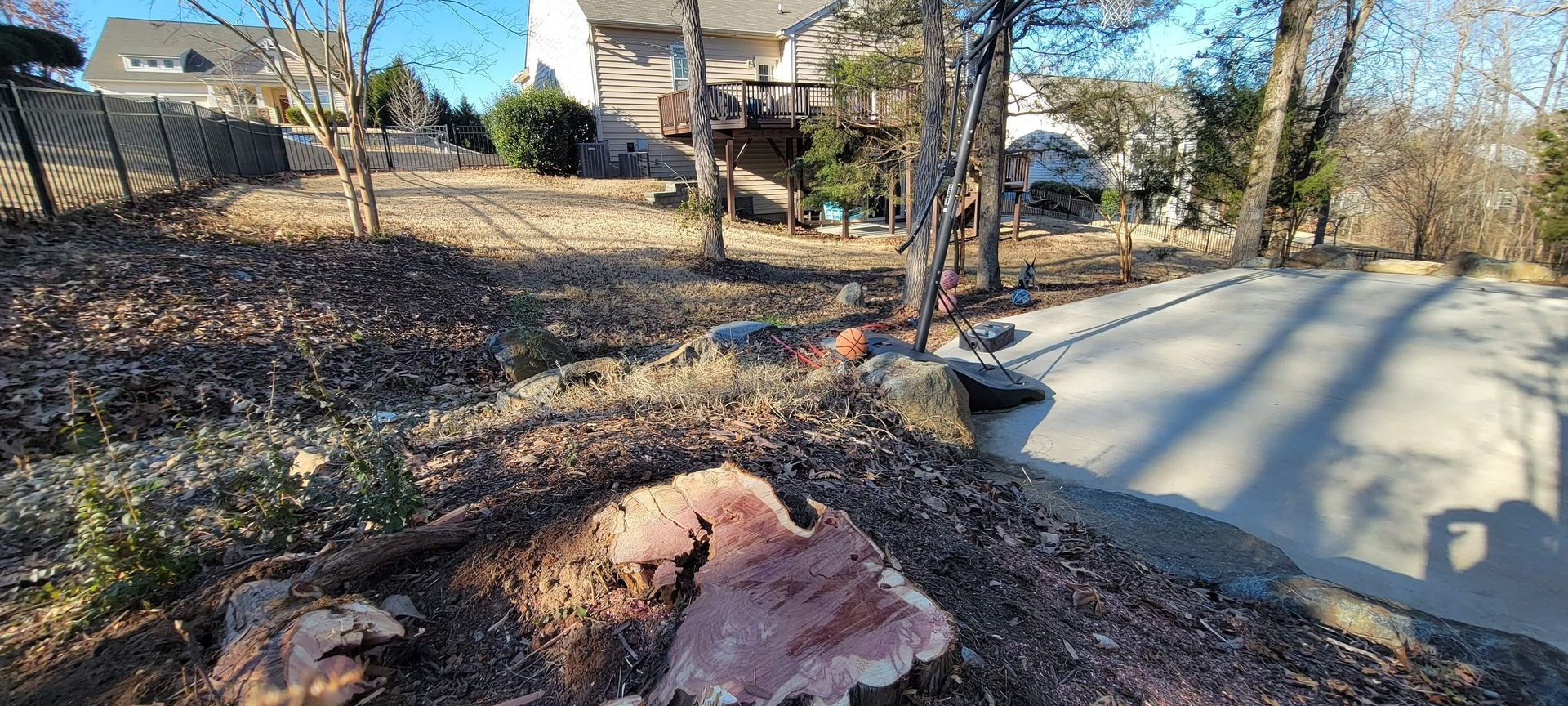
What We Did
- Removal of hazardous limbs
- Selective pruning to rebalance the canopy
- Post-storm monitoring recommendations
Why This Matters
Not all storm-damaged trees need to come down. Proper evaluation makes the difference.
Project 5: Stump Grinding & Site Restoration
Finishing the Job the Right Way
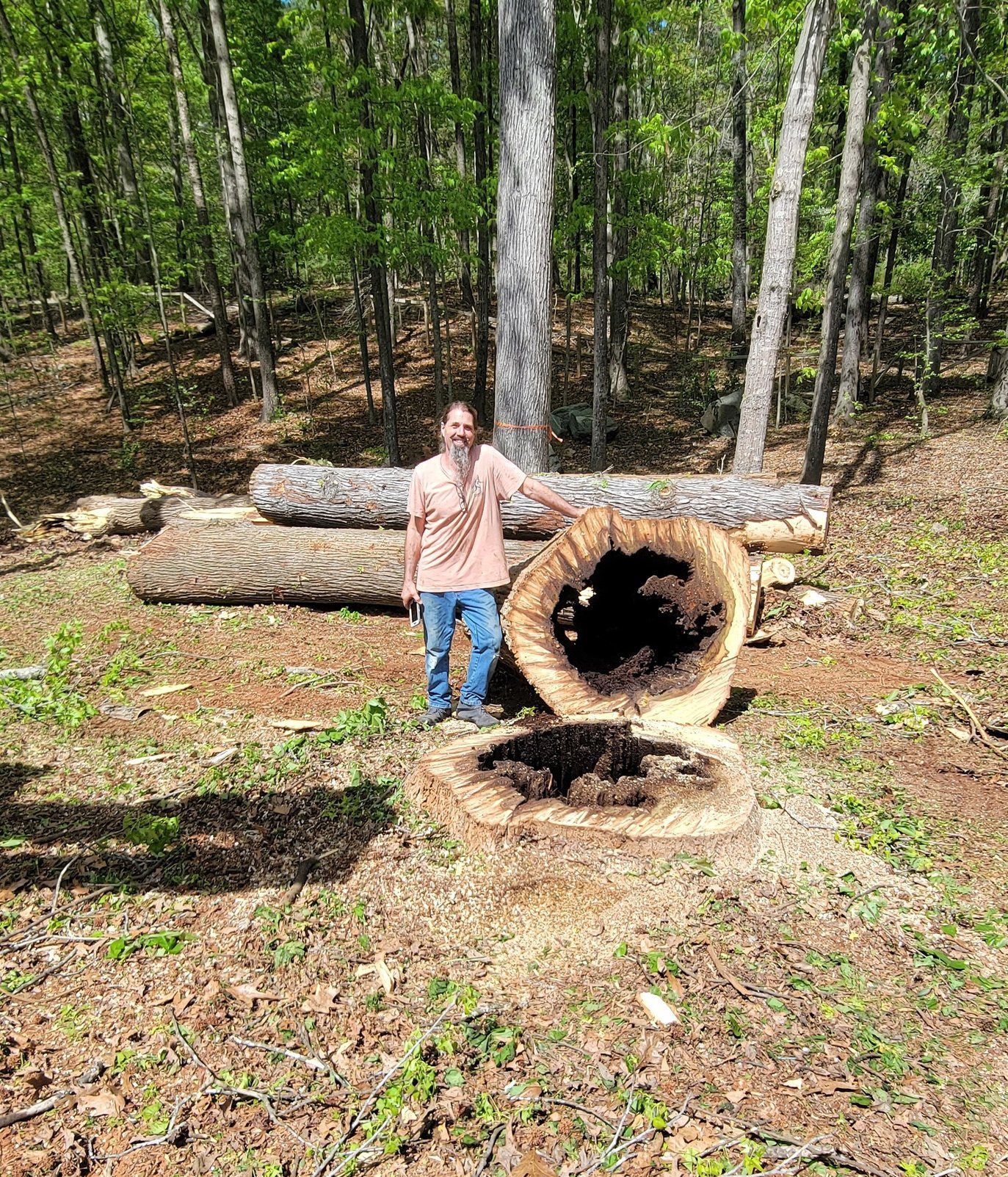
Before
A removed tree left behind a large stump that interfered with lawn care and created a tripping hazard.
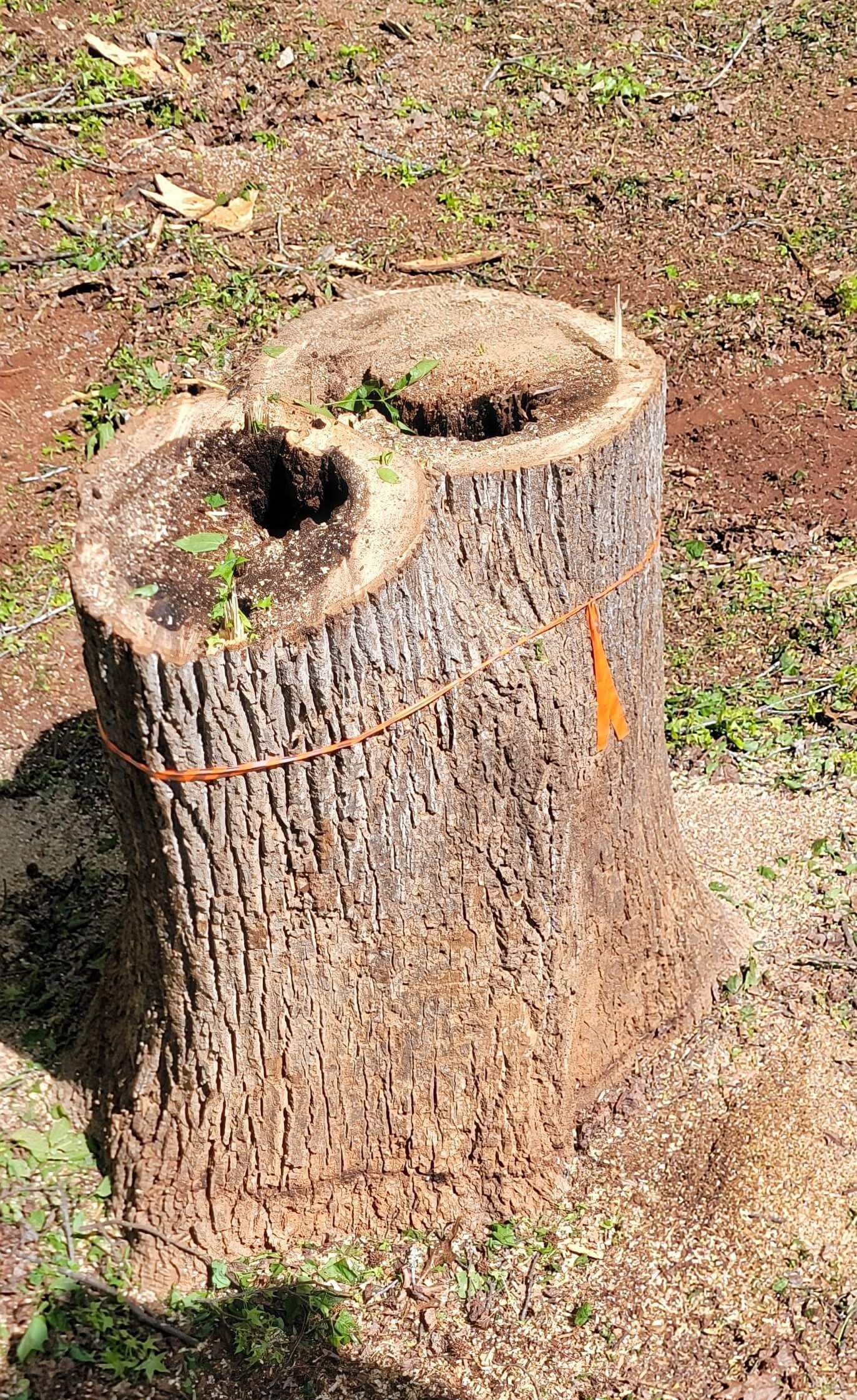
Assessment
- Stump size and root spread
- Proximity to lawn and garden areas
After
The space was clean, usable, and ready for replanting.
What We Did
- Ground the stump below grade
- Reused grindings as mulch (per homeowner request)
- Leveled the area for future lawn restoration
Why This Matters
Stump grinding completes the tree care process and restores full use of the landscape.
What You Won’t See Here (On Purpose)
You won’t find:
Over-topped trees
Excessive canopy removal
“Before” trees reduced to stumps unnecessarily
Rushed or careless work
Professional arborist work should age well, not just look dramatic on day one.
Why These Projects Matter to You
- Seeing real projects helps you:
- Understand what proper tree care looks like
- Set realistic expectations
- Recognize quality workmanship
- Make informed decisions about your own trees
If a project looks calm and balanced—that’s usually a sign it was done right.
Serving Charlotte & Surrounding Areas
Projects shown here represent work completed in:
Charlotte, NC
Lake Wylie
Steel Creek
Fort Mill
Tega Cay
South Charlotte
Each property is different. Each tree deserves individual consideration.
Let’s Talk About Your Trees
If you’re wondering what’s possible—or what’s necessary—for your trees, a professional assessment is the best place to start.
Thoughtful decisions. Visible results. Tree care you can trust.