Calm, Professional Response When Storms Leave Trees Unstable
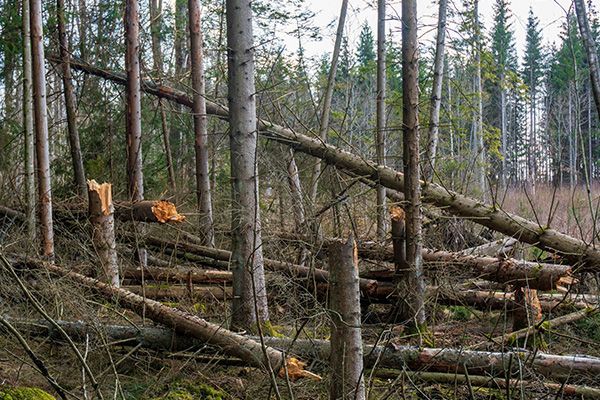
Storms in the Charlotte area can change a landscape in minutes. High winds, heavy rain, saturated soil, and lightning can leave trees cracked, leaning, uprooted, or partially failed—sometimes in ways that aren’t immediately obvious. What looks stable today can become dangerous tomorrow.
At Lady Arborist, storm cleanup is handled with care, control, and professional judgment, not panic or rushed decisions. My role is to help you restore safety while protecting what can still be saved.
Why Storm-Damaged Trees Require Professional Evaluation
Not all storm damage is visible at first glance.
After severe weather, trees may suffer from:
- Split or cracked trunks
- Broken or hanging limbs
- Root plate failure below the soil
- Hidden structural weakness
- Increased risk of delayed failure
Attempting cleanup without proper assessment can:
- Put people at risk
- Cause further tree or property damage
- Turn a manageable situation into an emergency
A professional arborist evaluation identifies what is safe to keep, what needs immediate attention, and what can be addressed later.
Our Storm Cleanup Philosophy
Storm response at Lady Arborist is guided by three priorities:
Protect people and property first
Stabilize what can be saved
Remove hazards carefully and deliberately
Not every storm-damaged tree needs to be removed. Some can be stabilized or selectively pruned to restore safety and health. Others, unfortunately, must be removed to prevent failure.
The right decision depends on the tree—not the clock.
Storm Cleanup & Emergency Services We Provide
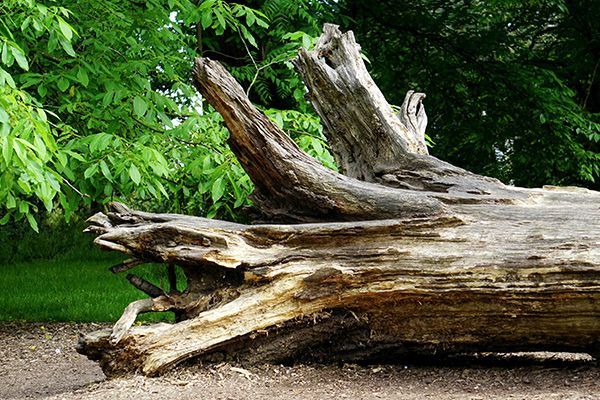
Emergency Tree Removal
When a tree has failed or poses an immediate risk, controlled removal may be necessary.
Emergency removal services include:
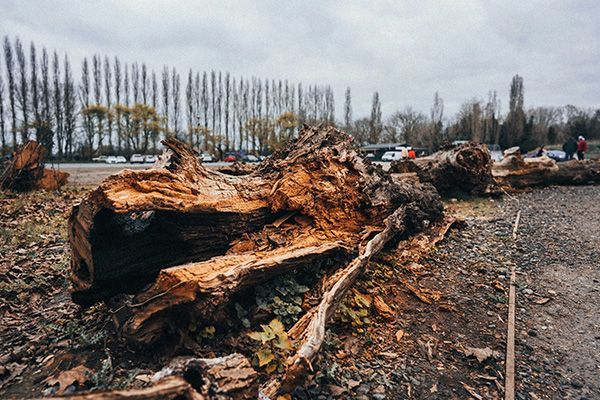
- Fallen trees
- Split or severely leaning trees
- Trees blocking driveways or access points
- Trees threatening homes, vehicles, or utilities
Each removal is carefully planned to prevent additional damage.
Hazardous Limb Removal
Broken or hanging limbs—often called “widowmakers”—are one of the most dangerous outcomes of a storm.
We safely remove:
- Hanging branches
- Cracked or partially attached limbs
- Overextended limbs stressed by wind
This reduces the risk of sudden failure after the storm has passed.
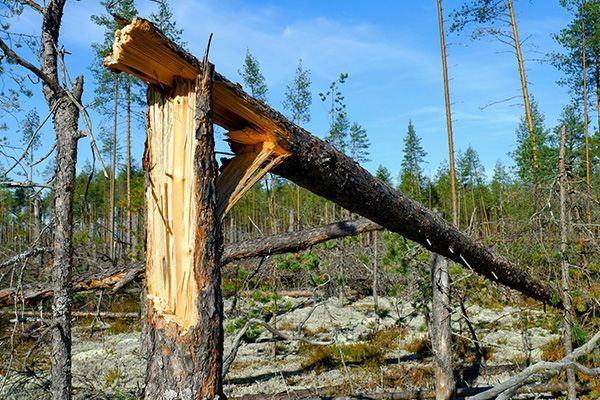
Post-Storm Tree Assessments
Some storm damage takes time to show.
- A post-storm assessment evaluates:
- Structural integrity
- Root stability
- Canopy balance
- Likelihood of future failure
This allows you to make informed decisions before the next storm arrives.
Debris Cleanup & Haul-Away
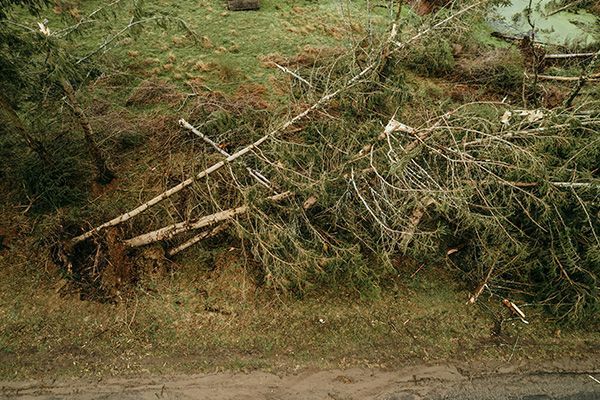
Storms often leave behind a mess of branches, limbs, and debris.
Cleanup services include:
- Cutting and removal of fallen limbs
- Chipping and debris hauling
- Responsible disposal or reuse of materials
Your property is left clean, safe, and usable.
Insurance-Ready Documentation (Upon Request)
If needed, we can provide:
- Photos of storm damage
- Written descriptions of tree condition
- Documentation to support insurance claims
Just let us know during scheduling.
What You Should (and Shouldn’t) Do After a Storm
Do:
- Keep a safe distance from damaged trees
- Watch for hanging or cracked limbs
- Call for professional evaluation if you’re unsure
Don't:
- Attempt chainsaw work near unstable trees
- Stand beneath damaged canopies
- Assume a leaning tree will “settle back”
- Ignore damage because the storm has passed
Storm-damaged trees can fail days or weeks later, especially after soil becomes saturated.
Our Storm Cleanup Process
1
Initial Contact & Triage
We determine urgency and safety concerns.
2
On-Site Evaluation
Trees are assessed for immediate and long-term risk.
3
Clear Recommendations
You’ll understand what needs to be done—and why.
4
Safe, Controlled Work
Emergency and non-emergency work is performed carefully.
5
Cleanup & Follow-Up Guidance
Your property is left safe, and you receive advice for future care.
Why Homeowners Trust Lady Arborist During Storm Events
- Arborist-led, owner-operated service
- Calm, professional response
- No fear-based upselling
- Safety-first decision making
- Honest guidance—even if no work is needed
- Local experience with Charlotte-area storms
When storms hit, you want clear thinking—not rushed decisions.
Serving Charlotte & Surrounding Communities
Storm cleanup and emergency tree services are available in:
Charlotte, NC
Lake Wylie
Steel Creek
Fort Mill
Tega Cay
South Charlotte
Availability may vary during widespread storm events—early contact is encouraged.
Don’t Wait for the Next Storm
If a recent storm left you concerned about a tree—or if you want peace of mind before the next one—professional evaluation can make all the difference.
Clear decisions. Safer outcomes. Thoughtful tree care.