Professional Pruning Rooted in Tree Biology, Structure, and Long-Term Health
Tree pruning is not cosmetic work. It is biological, structural, and preventative care that directly affects how a tree grows, ages, and responds to stress. At Lady Arborist, pruning is performed with intention—guided by arboricultural science, species-specific knowledge, and a deep respect for how trees function as living systems.
If you’re looking for thoughtless quick cuts or aggressive “tree trimming,” this is not that. If you want thoughtful, correct pruning that protects your trees and your property, you’re in the right place.
What Tree Pruning Really Is (and What It Is Not)
Many homeowners use the term tree trimming. In professional arboriculture, the correct term is tree pruning.
Pruning is the selective removal of specific branches to:
- Improve structural integrity
- Reduce risk of failure
- Encourage healthy growth
- Manage disease and decay
- Preserve the tree’s natural form
Pruning is not:
- Topping
- Over-thinning
- Random limb removal
- Cutting for convenience alone
Incorrect pruning can permanently damage a tree, accelerate decay, and create long-term safety hazards. Correct pruning, done at the right time and in the right way, strengthens trees for decades.
Why Tree Pruning Matters
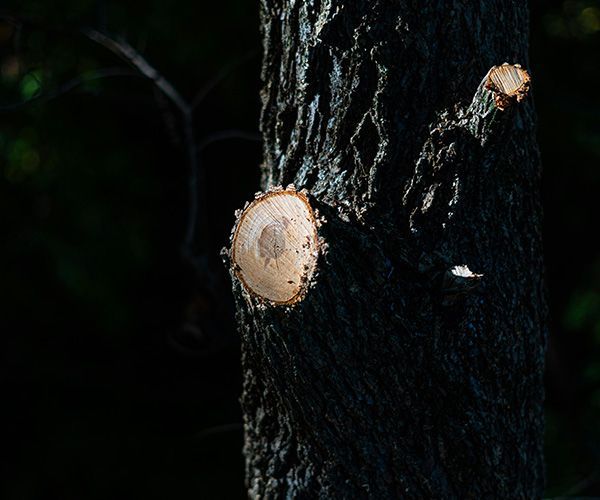
Trees that are left unpruned—or pruned improperly—often develop problems that are expensive or dangerous to correct later.
Professional pruning helps:
- Distribute weight evenly throughout the canopy
- Reduce wind resistance during storms
- Prevent limb failure over roofs, walkways, and driveways
- Improve airflow and sunlight penetration
- Remove dead, diseased, or weak branches
- Support healthy growth patterns
Pruning is both preventative care and risk management. Done correctly, it protects people, property, and the tree itself.
Our Tree Pruning Philosophy
At Lady Arborist, pruning decisions are never rushed. Before a single cut is made, I evaluate:
Tree species and natural growth habit
Age and maturity of the tree
Branch attachment angles and strength
Existing defects or decay
Surrounding structures and targets
Overall canopy balance
Every cut must serve a purpose. If a branch does not need to be removed, it stays.
Sometimes the most professional decision is to do less, not more.
Types of Tree Pruning We Provide
Each tree requires a different approach. Pruning techniques are selected based on biology—not trends.
Structural Pruning
Structural pruning is especially important for young and maturing trees.
This technique:
- Encourages strong branch architecture
- Reduces the likelihood of future failure
- Guides the tree into a stable, balanced form
Early structural pruning can prevent costly removals later in the tree’s life.
Crown Thinning
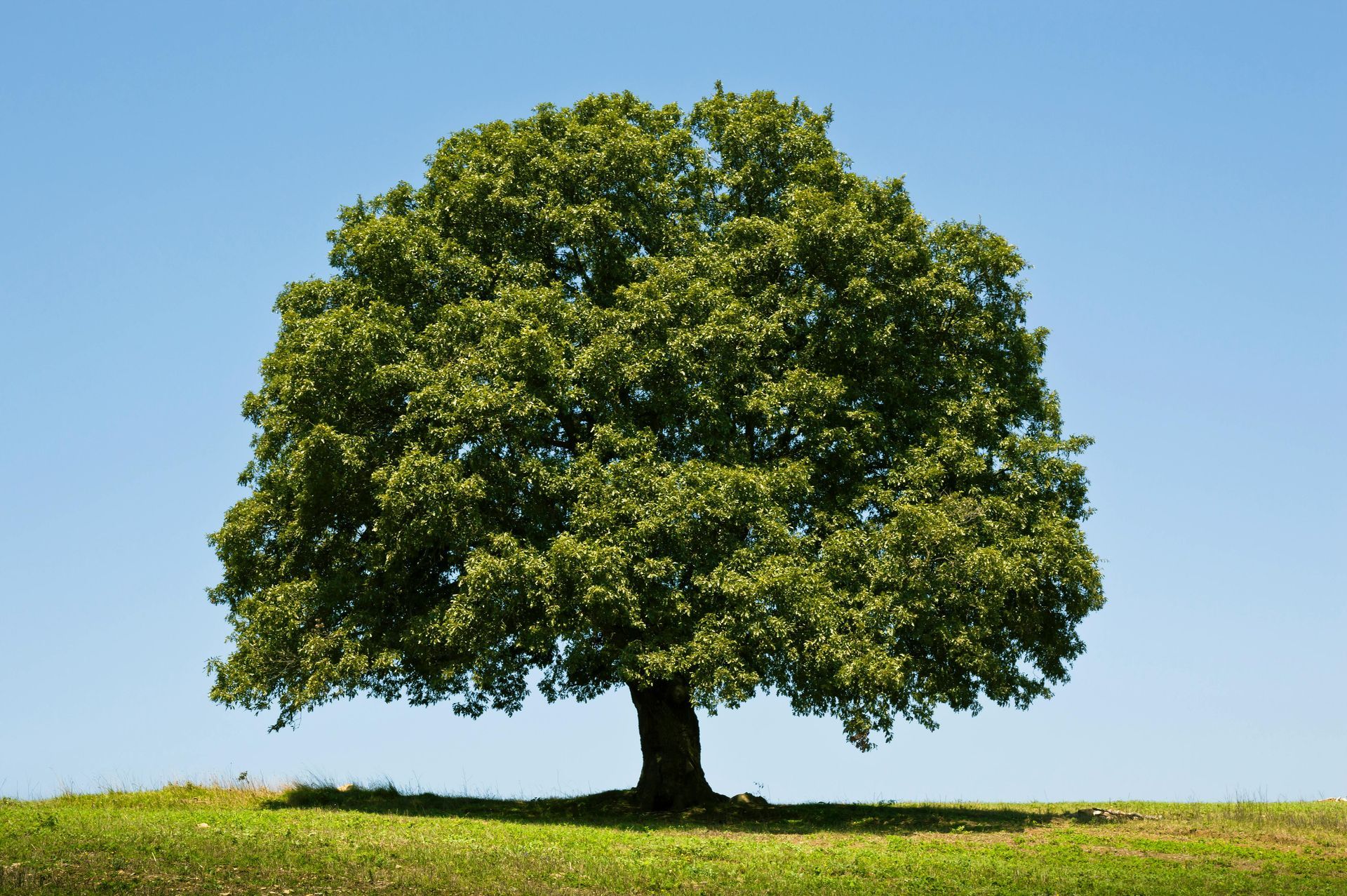
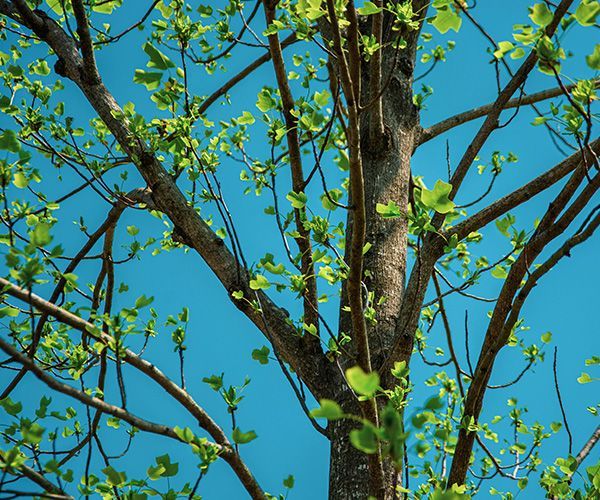
Crown thinning selectively removes specific branches to:
- Improve air circulation
- Allow light to penetrate the canopy
- Reduce overall weight without altering shape
- Promote healthy growth and prevent diseases
- Improve the health of the grass/turf below the tree by providing more sun
This is commonly used on mature trees that are healthy but overly dense.
Deadwood Removal
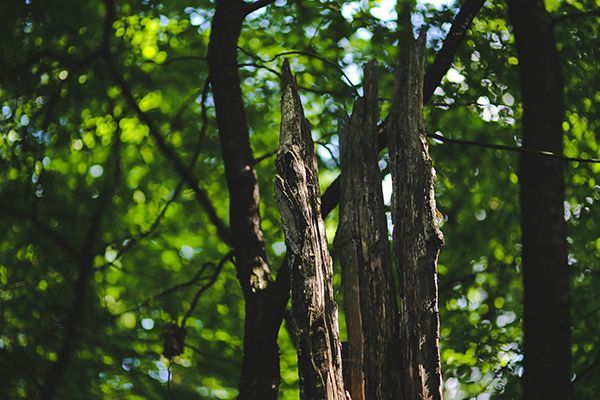
Dead or dying branches are a major safety risk.
Deadwood pruning:
- Removes hazardous limbs before they fall
- Reduces the spread of disease/decay and pests/pathogens
- Improves the tree’s overall health and appearance
Clearance Pruning
Trees growing near structures require careful management.
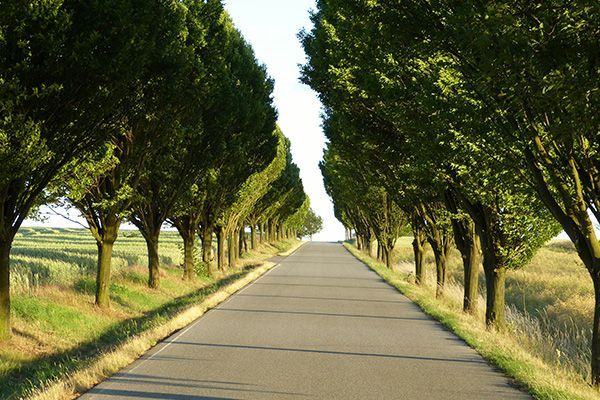
Clearance pruning provides safe distance from:
- Roofs
- Power lines
- Sidewalks
- Driveways
- Buildings
Clearance is achieved without disfiguring the tree or compromising its structure.
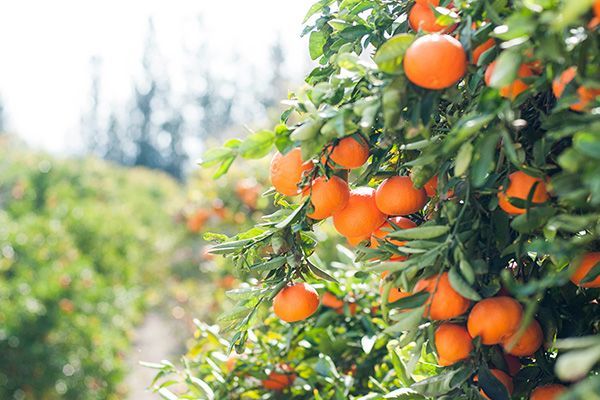
Ornamental & Fruit Tree Pruning
Flowering and fruiting trees require precise timing and technique.
Proper pruning:
- Enhances flowering and fruit production
- Preserves natural form
- Prevents stress-related decline
Improper cuts or timing can drastically reduce blooms or fruit yield.
When Tree Pruning Is (and Isn’t) Needed
Pruning is not always necessary every year.
Pruning may be recommended when:
- Dead or damaged limbs are present
- Branches are overextended or poorly attached
- Canopy density is restricting airflow or light
- Growth is interfering with structures
- Storm damage has occurred
Pruning may not be recommended when:
- A tree is already stressed or declining
- The timing would increase disease risk
- The work would cause more harm than benefit
Honest advice sometimes means recommending no pruning at this time.
The Risks of Improper Pruning
Poor pruning practices are one of the leading causes of premature tree failure.
Common mistakes include:
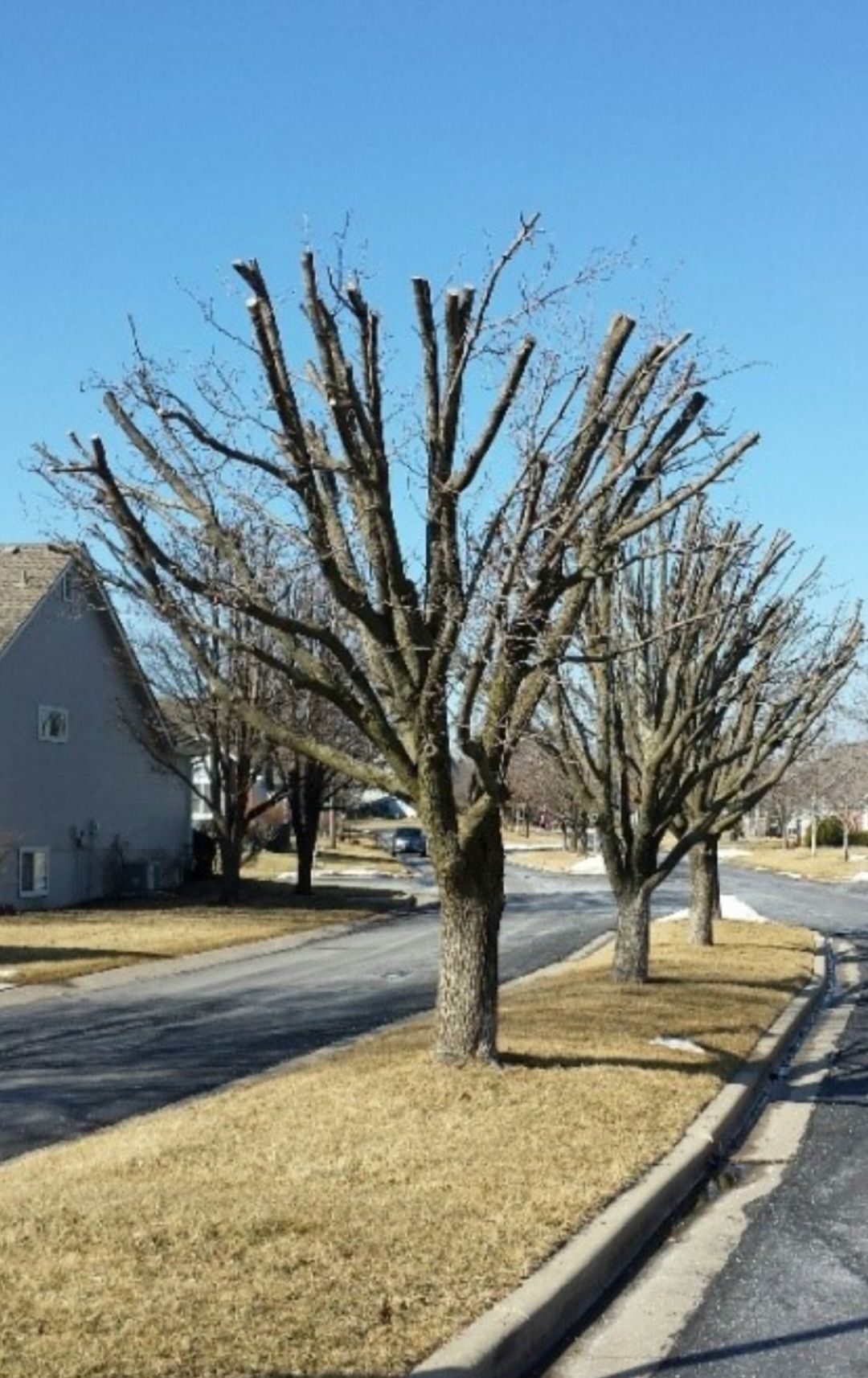
- Topping (removing the top of the tree)
- Removing too much foliage at once
- Making improper pruning cuts that invite decay
- Ignoring species-specific growth patterns
Once damage is done, it cannot always be reversed.
That’s why pruning should always be performed by a trained arborist who understands tree biology—not just equipment.
Our Tree Pruning Process
1
On-Site Evaluation
Each tree is assessed individually.
2
Clear Explanation
You’ll understand what needs to be done and why.
3
Professional Pruning
Clean, precise cuts using proper techniques.
4
Safety & Cleanup
Work areas are protected and fully cleaned.
5
Aftercare Guidance
Advice to help your trees continue to thrive.
Why Homeowners Choose Lady Arborist for Pruning
- Arborist-led, owner-operated service
- Science-based pruning decisions
- No topping, no shortcuts
- Clear communication
- Sustainable, tree-first approach
- Local experience with Charlotte-area species
I don’t prune trees to make them smaller. I prune trees to make them stronger, safer, and healthier.
Serving Charlotte & Surrounding Areas
Tree pruning services are available throughout:
Charlotte, NC
Lake Wylie
Steel Creek
Fort Mill
Tega Cay
South Charlotte
If you’re unsure whether your tree needs pruning—or how much—start with a professional assessment.
Frequently Asked Questions
How often should trees be pruned?
It depends on the species, age, and condition of the tree. Some trees benefit from periodic structural pruning, while others may only need attention every few years.
Is there a best time of year to prune trees?
Timing depends on the tree species and the goal of pruning. Some trees are best pruned during dormancy, while others respond better to pruning at different times. Improper timing can increase disease risk.
Can pruning damage my tree?
Yes—if done incorrectly. Over-pruning, topping, or poor cuts can weaken a tree, invite decay, and shorten its lifespan. Proper pruning supports long-term health.
Why shouldn’t trees be topped?
Topping removes critical structure, causes rapid weak regrowth, increases decay, and significantly raises the risk of failure. It is not a recommended arboricultural practice.
Will pruning make my tree smaller?
Pruning is not about making trees smaller—it’s about making them stronger and safer. Size reduction is only appropriate in limited, carefully planned situations.
Do you prune fruit and ornamental trees differently?
Yes. Flowering and fruiting trees require species-specific techniques and timing to avoid reducing blooms or fruit production.
Let’s Talk About Your Trees
If you care about the long-term health and safety of your trees, professional pruning is one of the best investments you can make.
Thoughtful pruning cuts. Healthy structure. Trees that last.