Best Time of Year to Trim Trees | Expert Tree Services Guide
Best Time of Year to Trim Trees (Complete Guide)
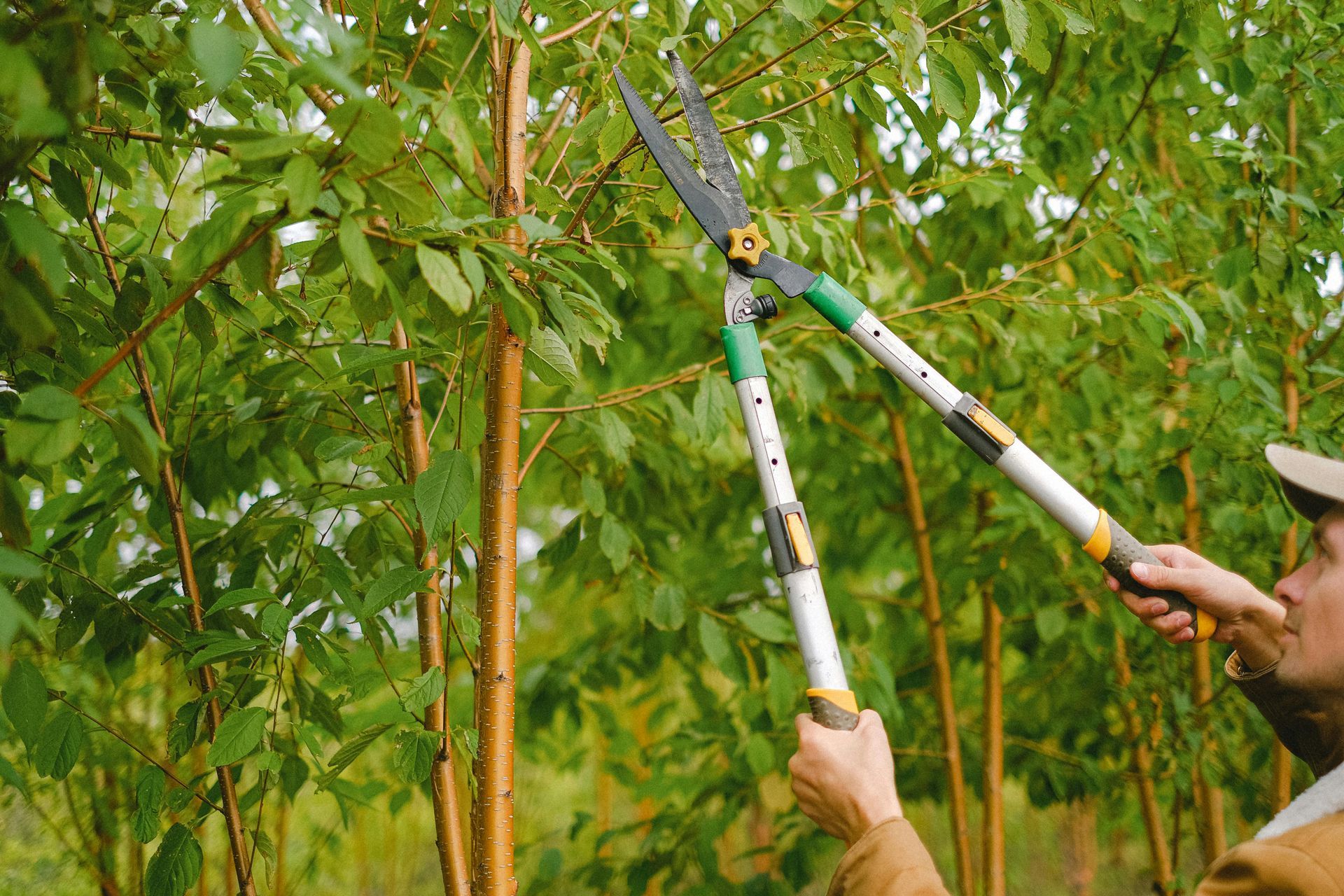
Tree trimming timing directly affects tree health, safety, and long-term structure. Poor timing can stress trees, spread disease, or weaken growth, while proper timing supports resilience and controlled development.
Quick Answer / Key Takeaways
- Late winter (dormant season) is the best time for most tree trimming
- Spring trimming is limited and strategic
- Summer trimming is useful for corrective pruning
- Fall trimming is generally avoided due to disease risk
- Tree species, health, and goals determine the ideal timing
Professional Tree Services evaluate more than the calendar—they assess biology, structure, and environmental stress factors.
Seasonal Breakdown: When to Trim Trees
Tree trimming timing depends on how trees respond biologically during each season.
Late Winter (Best Overall Timing)
Late winter trimming supports strong regrowth and reduces stress. Trees are dormant, meaning energy reserves are intact and wounds heal efficiently when growth resumes.
Benefits:
- Clear visibility of structure (no leaves)
- Reduced pest and disease activity
- Strong spring regrowth
Most structural pruning and shaping should happen in this window.
Spring (Limited, Purpose-Driven Trimming)
Spring trimming is used cautiously. Trees are actively growing, so excessive pruning can remove critical energy sources.
Best uses:
- Removing dead or damaged branches after winter
- Correcting minor structural issues
Avoid heavy pruning during peak bud and leaf development.
Summer (Corrective and Safety Pruning)
Summer trimming is effective for slowing growth and correcting structural problems. It is often used for safety and clearance.
Common applications:
- Removing hazardous limbs
- Managing overgrowth near structures
- Controlling aggressive growth
This is also when defects become more visible.
Fall (High Risk – Generally Avoid)
Fall trimming increases vulnerability to disease and decay. Trees begin preparing for dormancy and cannot respond effectively to pruning wounds.
Risks:
- Fungal infections
- Delayed healing
- Structural weakening
Only emergency trimming should occur during this period.
Tree Type Considerations
Different species respond uniquely to pruning timing.
Deciduous Trees
Deciduous trees benefit most from late winter pruning. Their structure is visible, and energy reserves are preserved.
Examples:
- Oak
- Maple
- Elm
Evergreen Trees
Evergreens tolerate light pruning year-round but respond best in early spring or mid-summer.
Key focus:
- Shape control
- Removing dead growth
Flowering Trees
Timing depends on bloom cycle.
- Spring bloomers: prune after flowering
- Summer bloomers: prune in late winter
Incorrect timing reduces flowering potential.
The Arborist Timing Framework (ATF)
A structured way to determine the best trimming window:
| Factor | Key Question | Impact |
|---|---|---|
| Tree Type | What species is it? | Determines biological response |
| Tree Health | Is the tree stressed or diseased? | Impacts timing flexibility |
| Goal | Structural, aesthetic, or safety? | Defines pruning intensity |
| Season | What is the current growth phase? | Affects healing and regrowth |
| Risk Level | Are there hazards present? | Overrides seasonal rules if needed |
Common Mistakes and Risks
Poor trimming practices often cause long-term damage.
Over-Pruning
Removing too much canopy reduces photosynthesis and weakens the tree. This leads to stress growth and vulnerability.
Topping Trees
Cutting the top indiscriminately damages structure and causes unstable regrowth. This is one of the most harmful practices in tree care.
Ignoring Disease Timing
Certain diseases spread more easily during specific seasons. For example, oak wilt spreads through pruning wounds in warmer months.
DIY Without Structural Knowledge
Tree trimming requires understanding load distribution and growth patterns. Incorrect cuts can create hazards instead of preventing them.
When to Hire Professional Tree Services
Professional Tree Services provide more than cutting—they deliver assessment, risk management, and long-term tree health strategies.
- Trees are near structures or power lines
- Large limbs require removal
- Disease or decay is present
- Structural shaping is needed
- Safety risks exist
Working directly with an experienced arborist ensures consistency from assessment to execution—without miscommunication or shortcuts.
Practical Tree Trimming Checklist
- Identify tree species
- Assess current season
- Define trimming goal (health, safety, shape)
- Check for disease or stress signs
- Evaluate risk level (falling limbs, proximity)
If multiple risk factors are present, professional intervention is recommended.
FAQs
What month is best for tree trimming?
Late winter months (January–March in most regions) provide optimal conditions for most species.
Can trees be trimmed in summer?
Yes, but primarily for corrective or safety purposes rather than heavy pruning.
Why is fall trimming discouraged?
Trees cannot heal efficiently, increasing risk of disease and decay.
Do all trees follow the same schedule?
No. Species, climate, and health conditions all influence timing.
Conclusion
Tree trimming timing shapes the long-term health, safety, and structure of your landscape. Late winter provides the best conditions for most trees, while summer and spring serve targeted purposes. Fall trimming introduces unnecessary risk.
A thoughtful, science-based approach ensures each cut supports the tree—not just immediate aesthetics.