
How to Plant Your Dogwood Seeds in Charlotte, NC
A Calm, Step-by-Step Guide You Can Follow With Confidence
If you’re reading this page, you’re holding flowering dogwood (Cornus florida) seeds that were meant to be grown—right here in the Charlotte region. Not rushed. Not forced. And definitely not guessed at.
Flowering dogwoods are native to North Carolina and thrive in the Piedmont when planted with care. They evolved alongside our warm falls, mild winters, humid summers, and wooded landscapes. When planted thoughtfully, they don’t just grow here—they belong.
This guide was written so you can slow down, follow along, and succeed, even if you’ve never planted a tree from seed before. There’s no pressure to get everything perfect. Nature doesn’t work that way—and neither do dogwoods.
Read this once all the way through. Then come back and follow it step by step.
Before You Begin (Important for Charlotte Growers)
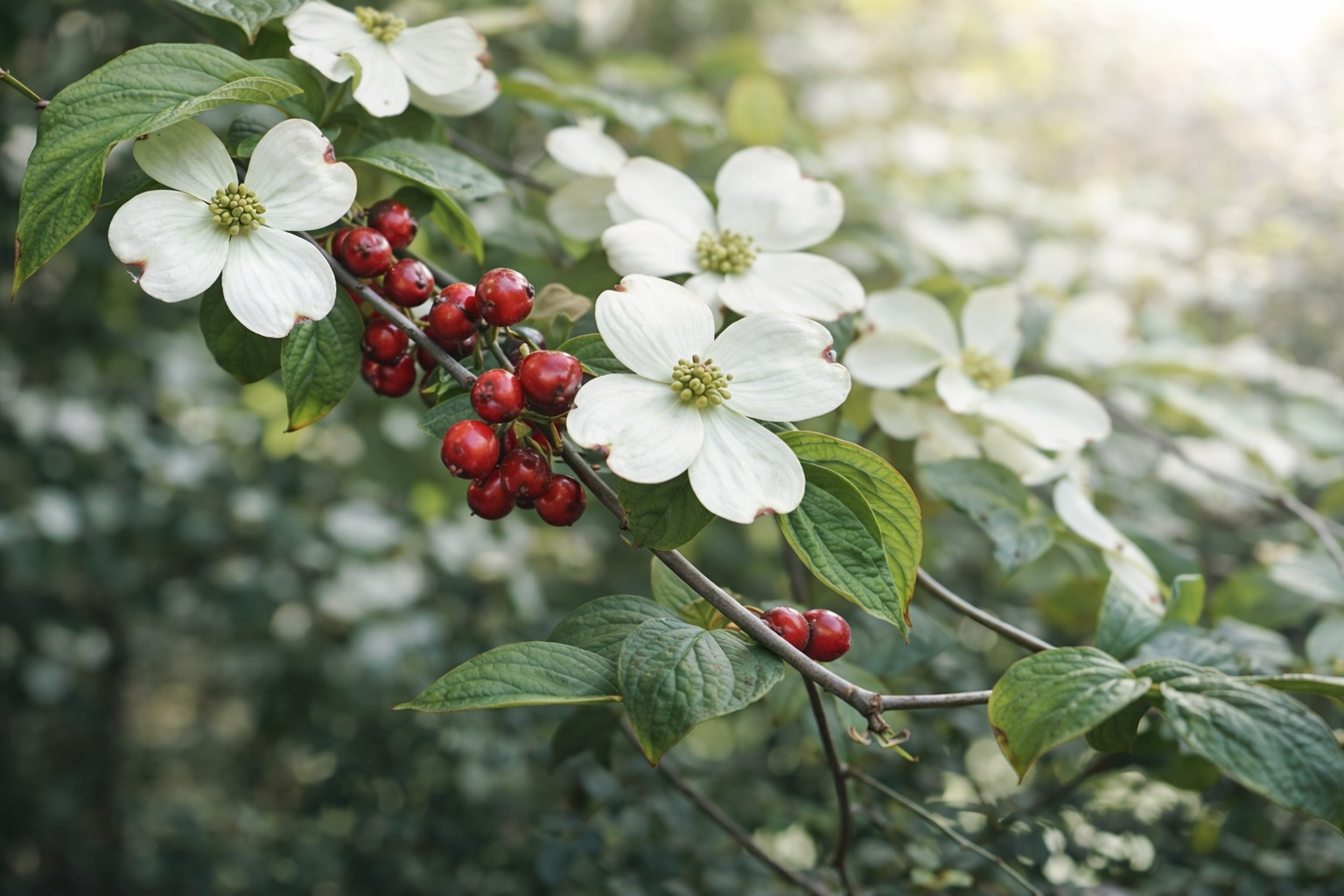
Dogwood seeds are not difficult, but they are particular—especially in our climate.
Here’s what Cornus florida expects in the Charlotte area:
- A warm, humid fall
- A mild but consistent winter chill
- Gradual spring warming
- Protection from intense summer sun
Charlotte’s climate provides all of this naturally if the steps are followed in order.
If you skip steps or rush the process, seeds may simply wait another year to sprout. That’s not failure—it’s the seed responding correctly to its environment.
What You’ll Need
You don’t need fancy tools. Gather these basics:
- Your dogwood seeds
- Clean water
- Sand, peat moss, or vermiculite
- Sealable plastic bags
- A refrigerator
- Small pots or seed trays
- Well-draining seed-starting mix
- Pine straw or leaf mulch
That’s it.
The Big Picture (Charlotte Timing)
You’ll move through three stages, aligned with Charlotte’s seasonal rhythm:
1
Seed Preparation & Warm Stratification
October – December
2
Cold Stratification
December – February / early March
3
Planting & Early Care
March – April
Each stage matters. None should be skipped.
Step 1: Seed Preparation (Fall)
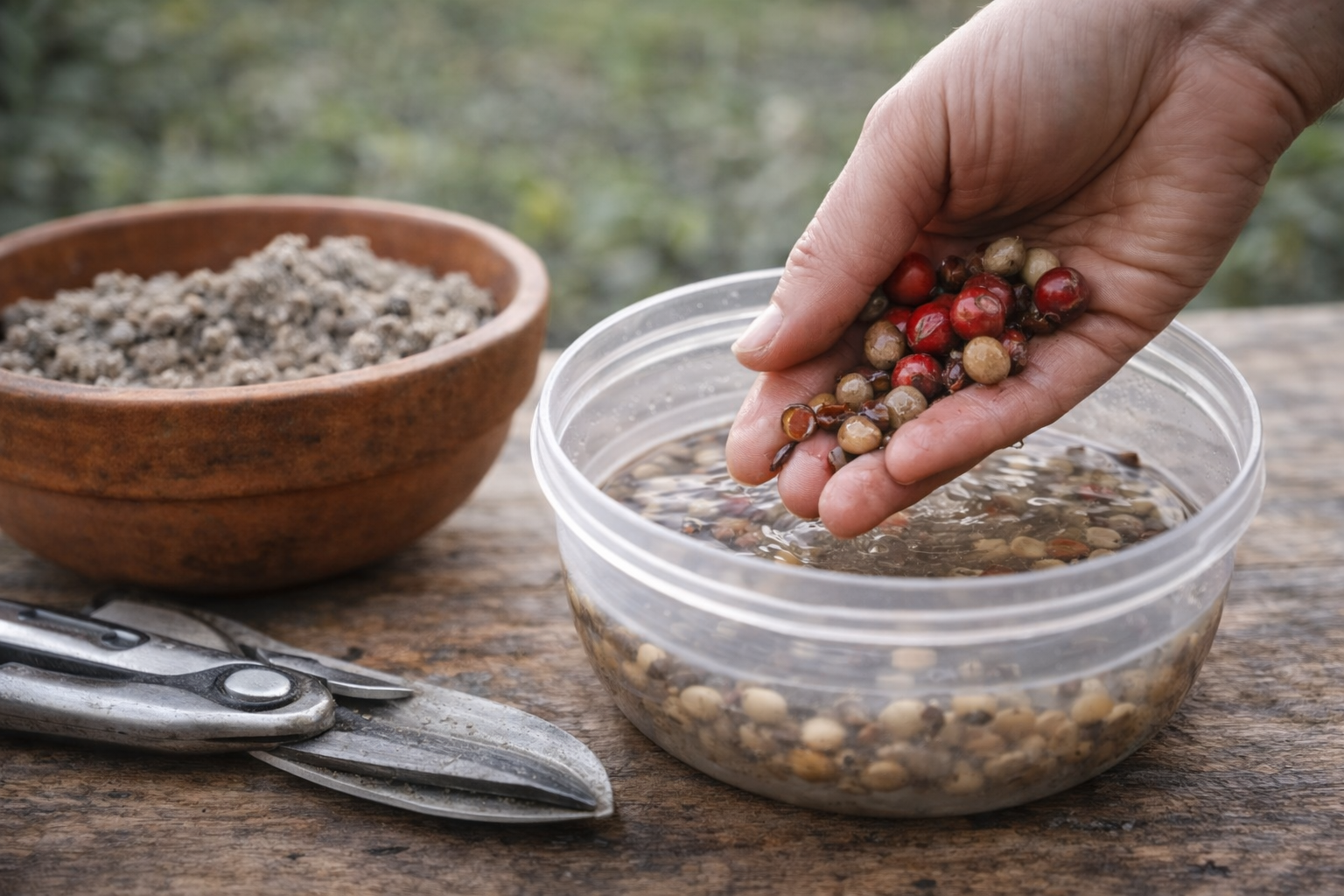
1. Harvest & Clean the Seeds
Dogwood seeds come from red berries (drupes), typically ripe in October in the Charlotte area.
If your seeds were already cleaned, you can skip ahead. If not:
- Soak berries in water for 24 hours
- Gently rub away the pulp
- Discard floating seeds (usually non-viable)
- Rinse and air-dry briefly
You want clean, bare seeds.
2. Warm, Moist Stratification
(Essential in Our Climate)
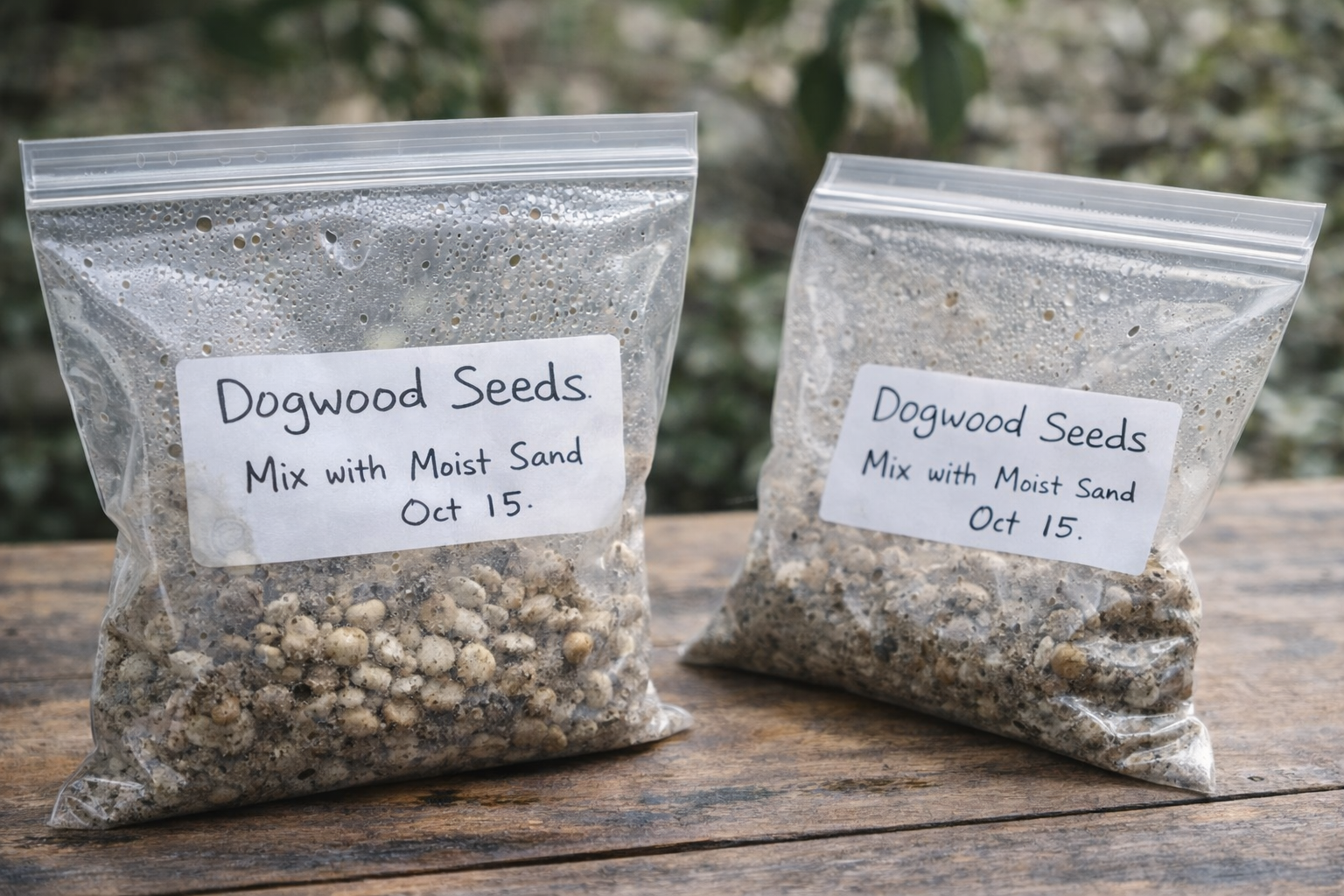
Before winter cold, dogwood seeds require a warm, moist resting period. This mimics Charlotte’s fall soil conditions.
How to do it:
- Mix seeds with slightly damp sand, peat moss, or vermiculite
- Damp means moist—not dripping
- Place mixture in a plastic bag
- Poke a few small breathing holes
- Store at room temperature, out of direct sun
Duration: about 60 days
Check every 2–3 weeks and lightly mist if the mix feels dry.
Step 2: Cold Stratification (Winter)
Charlotte winters are mild, but dogwood seeds still need consistent cold exposure to break dormancy.
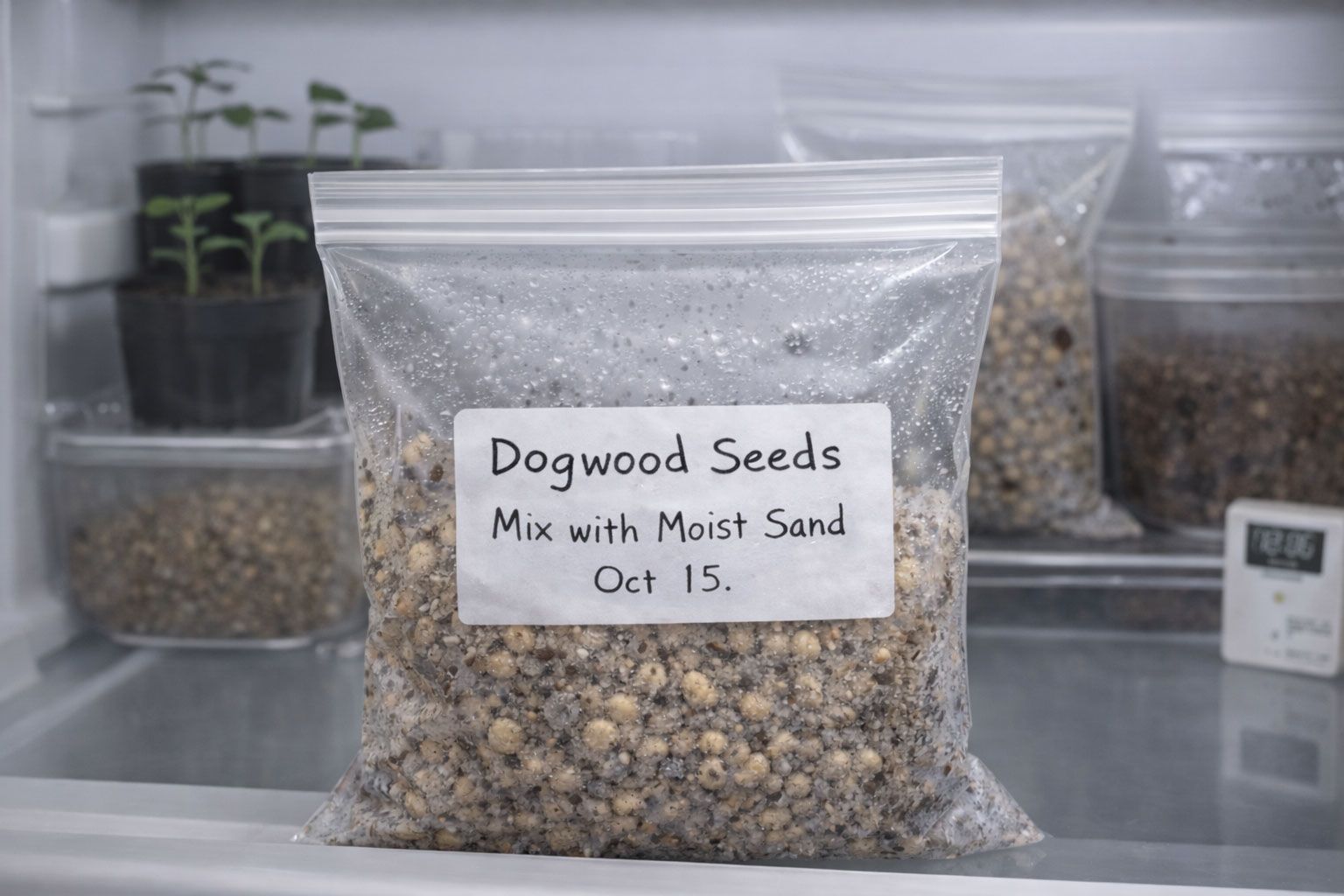
1. Move Seeds to the Refrigerator
- Keep seeds in the same damp medium
- Place them in the refrigerator (not freezer)
Ideal temperature: 33–41°F (1–5°C)
Duration: 60–120 days
December through late February is typical.
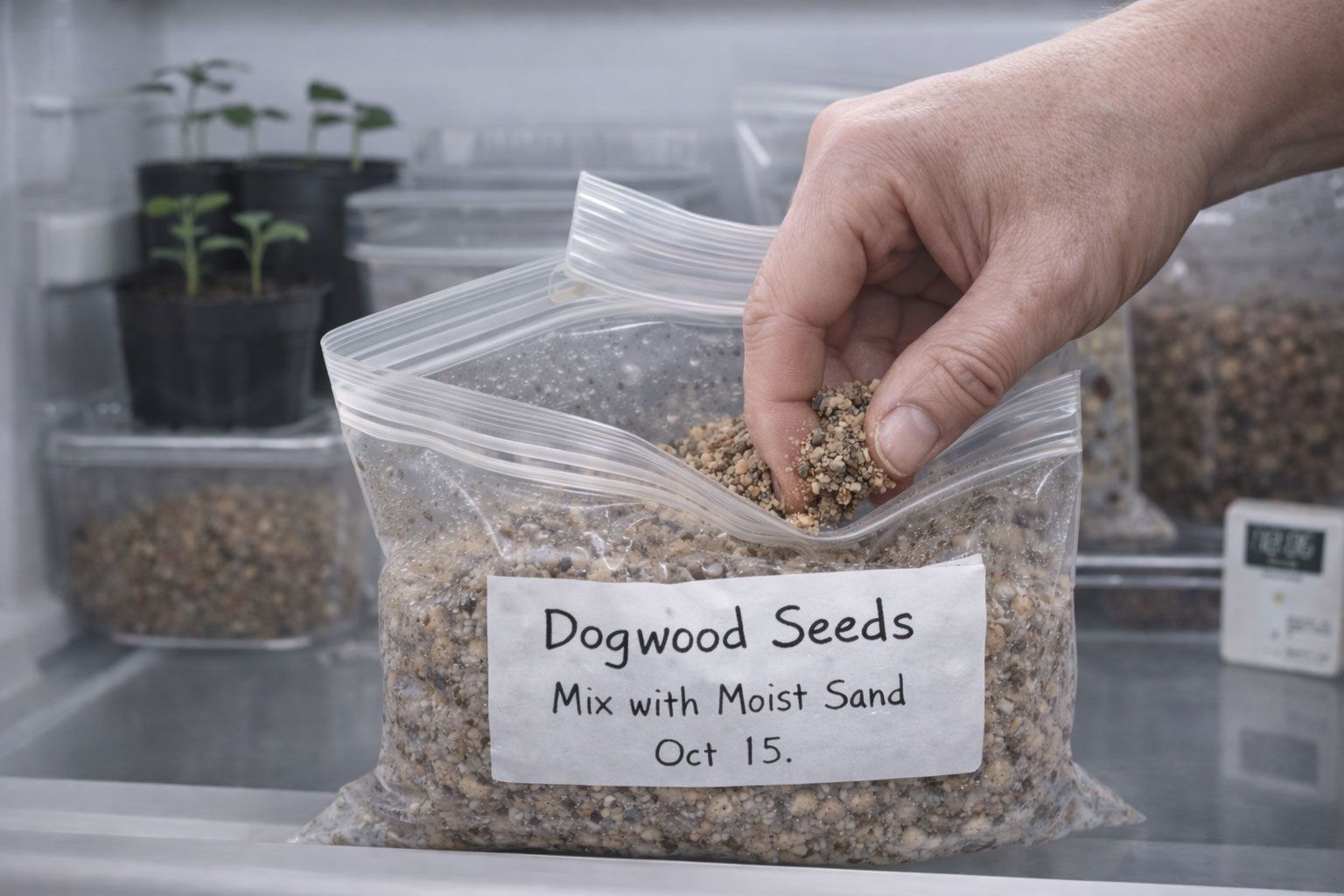
2. Monthly Check-Ins
About once a month:
- Open the bag
- Check moisture
- Look for tiny root tips
If roots appear, the seed is waking up. This is a good sign.
Step 3: Planting (Spring in Charlotte)
When to Plant
In the Charlotte area, planting usually begins:
Early March through mid-April
Plant when:
- Hard freezes are unlikely
- Daytime temperatures remain above 50°F
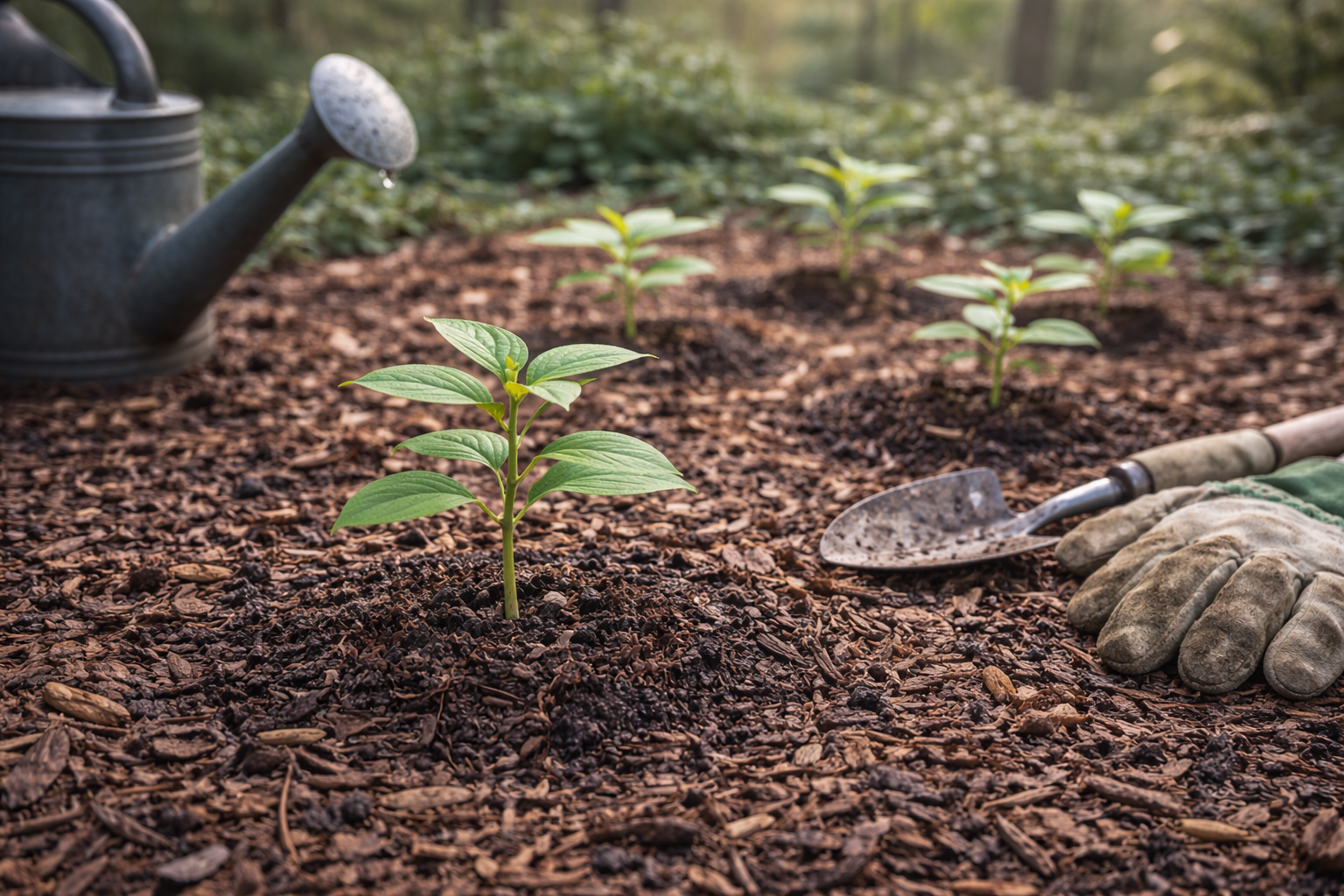

1. Prepare Containers
Use:
- Small pots or seed trays
- Well-draining seed-starting mix
Charlotte soils often contain clay, so containers give seedlings a safer start.
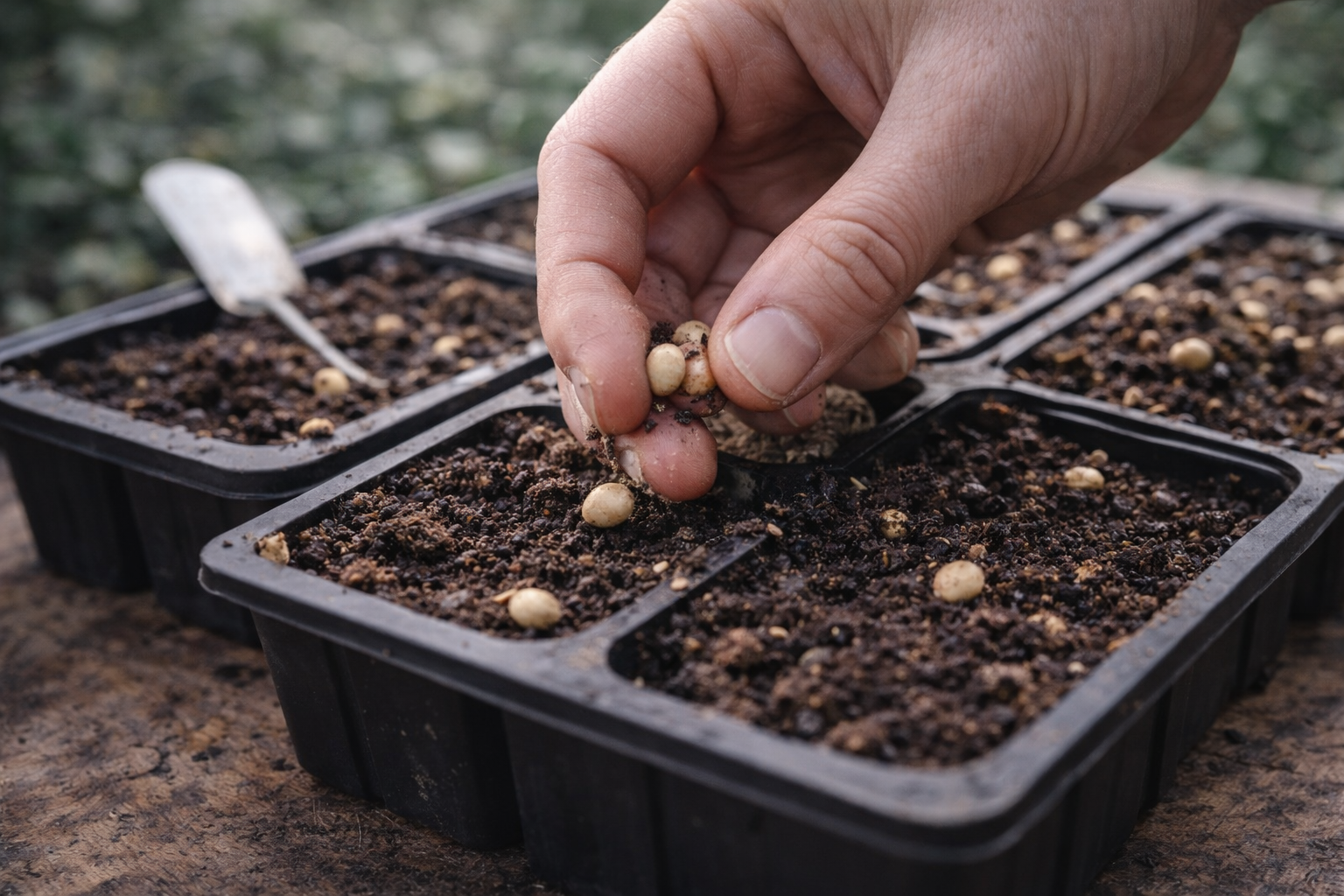
2. Planting Depth
- Plant seeds ¼ to ½ inch deep
- Lightly cover with soil or pine straw
- Do not compact the soil
Loose soil encourages healthy root development.
3. Watering
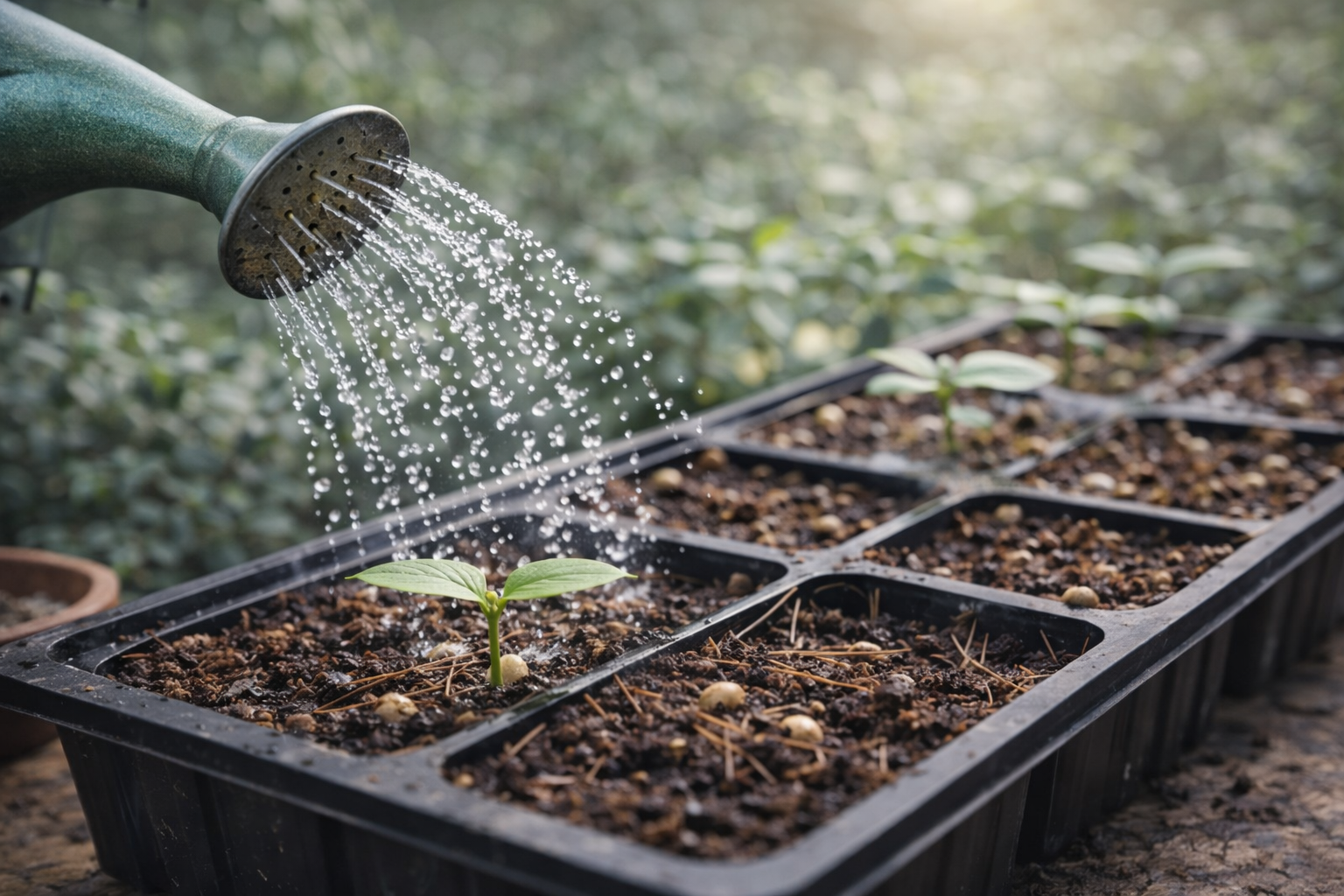
- Keep soil moist, not soggy
- Think “wrung-out sponge,” not mud
Spring rains help, but containers still need monitoring.
4. Placement (Critical in Charlotte)
Place pots:
- Outdoors in bright shade
- Protected from wind
- Shielded from strong afternoon sun
Morning sun with afternoon shade is ideal.
Not all seeds sprout at once. Some may wait another year—and that’s completely normal.
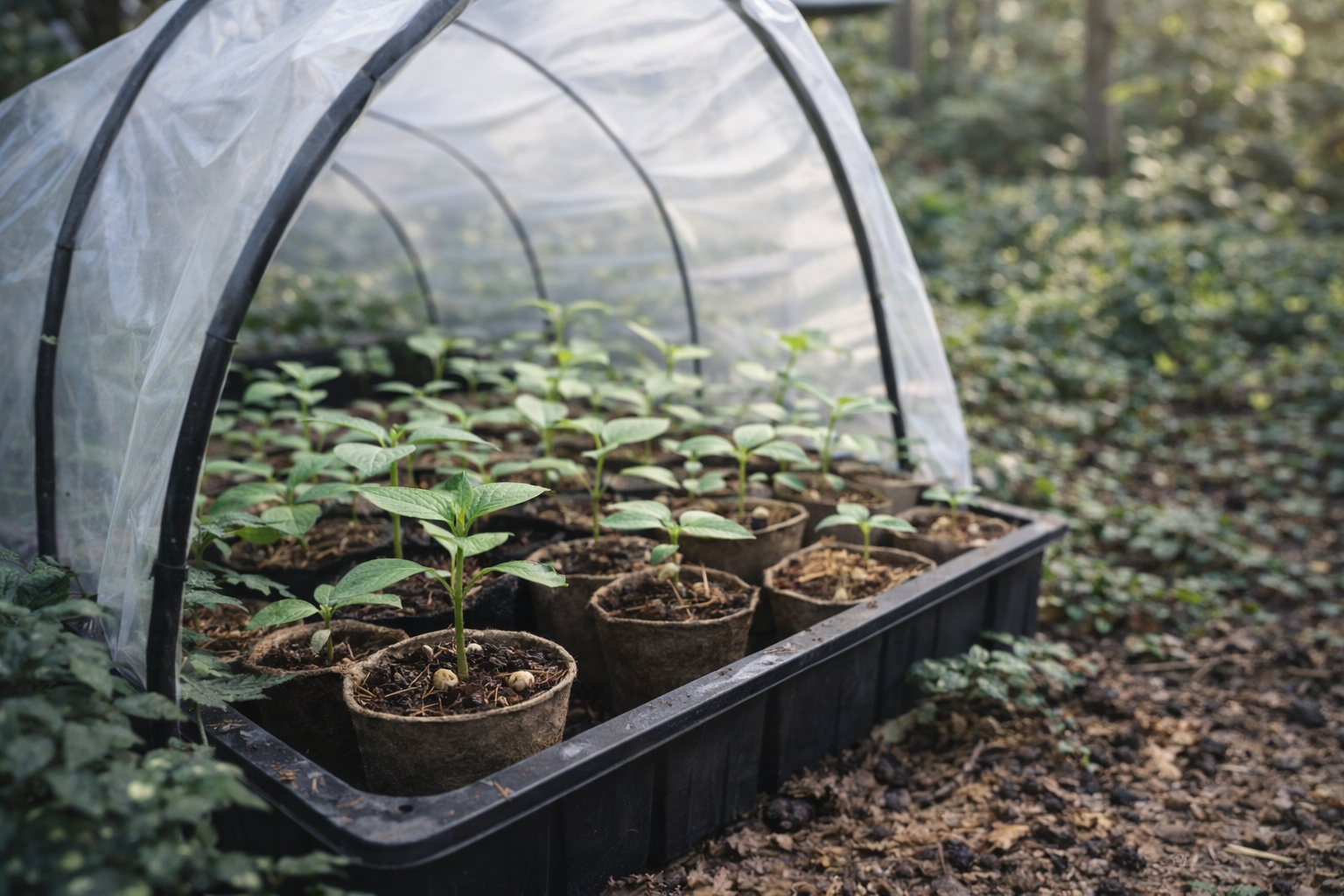
Alternative: Outdoor Winter Sowing (Optional)
Some North Carolina growers prefer a more natural approach. How:
Clean seeds in fall
Plant in pots or a protected bed
Cover lightly with soil and leaf mulch
Protect with mesh from squirrels and birds
Charlotte’s winter usually provides enough chill for germination.
Simpler
Less predictable
Both methods are valid.
Caring for Young Dogwoods in Charlotte
The first two years are about roots, not height.
Do:
- Keep soil evenly moist
- Provide partial shade
- Mulch lightly (pine straw works well)
- Protect from deer if needed
Don’t:
- Fertilize heavily
- Expose to full afternoon sun
- Allow standing water
- Rush transplanting
Slow growth here is healthy growth.
Common Local Mistakes to Avoid
Full sun exposure
Heavy clay without drainage
Overwatering during spring rains
Expecting quick growth
Moving seedlings too early
Dogwoods reward patience—especially in the Carolinas.
When to Plant in the Ground
Wait until:
- The seedling has a strong root system
- It has completed one full growing season
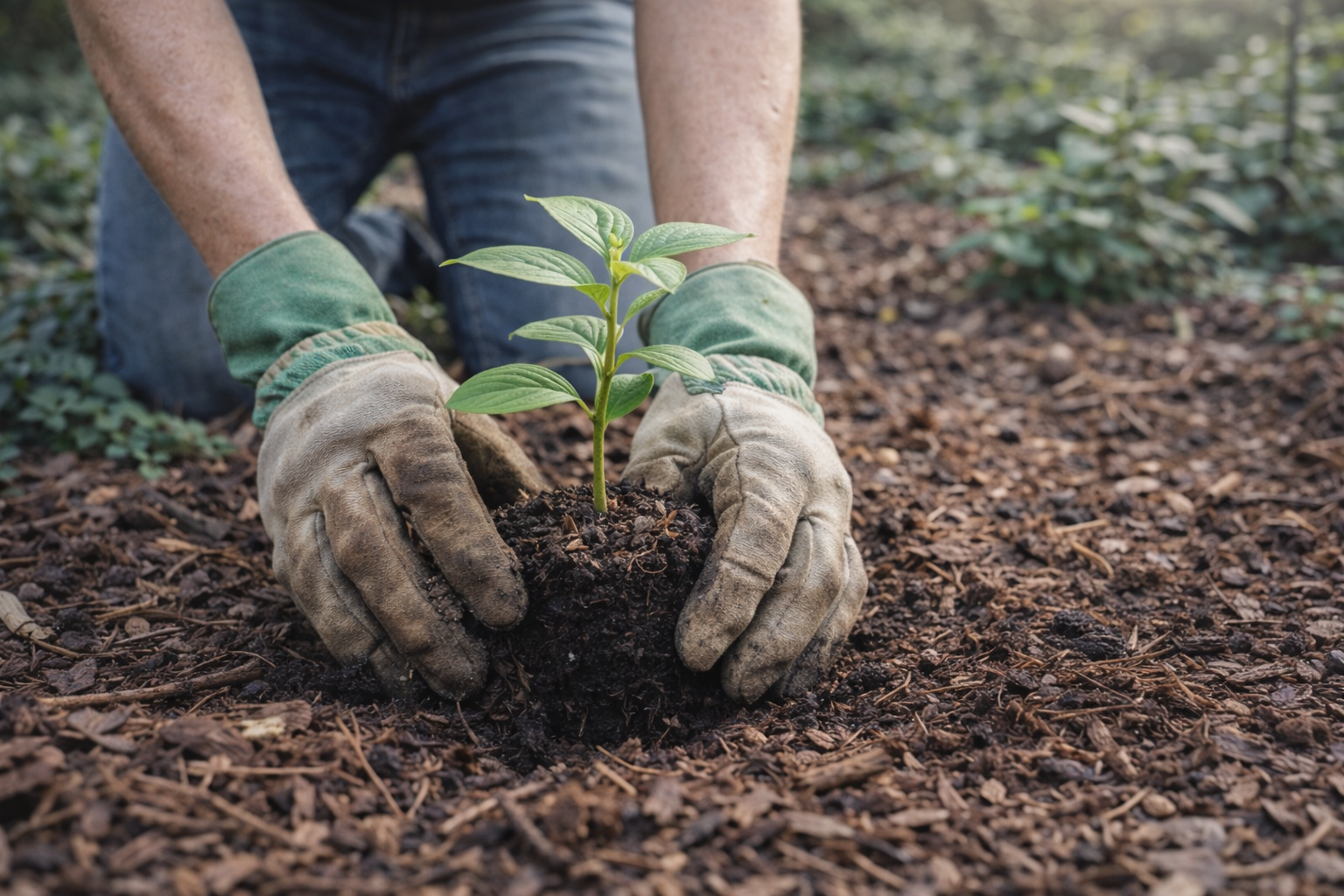
When planting outdoors:
- Choose partial or dappled shade
- Avoid low, soggy areas
- Keep the root flare visible
- Mulch wide, not deep
Dogwoods thrive here when planted like woodland trees—not lawn trees.
Final Thought
Growing a dogwood from seed in Charlotte is not about speed.
It’s about connection—to the land, the seasons, and the canopy you’re helping shape for the future.
If you follow these steps, you’re giving your dogwood exactly what it needs—no more, no less.
And if you ever want guidance along the way, that’s what we’re here for.
Healthy beginnings grow into lasting trees